






MIIT Convenes National Video Conference for Sharing Experience of Intelligent Manufacturing Pilot Demonstrations
On November 24, 2017, the Ministry of Industry and Information Technology (MIIT) convened a national video and telephone conference for experience exchange on intelligent manufacturing pilot demonstration projects. The conference was presided over by Li Dong, Director-General of the Department of Equipment Manufacturing Industry of MIIT, while Vice Minister Xin Guobin attended the meeting and delivered an important speech.
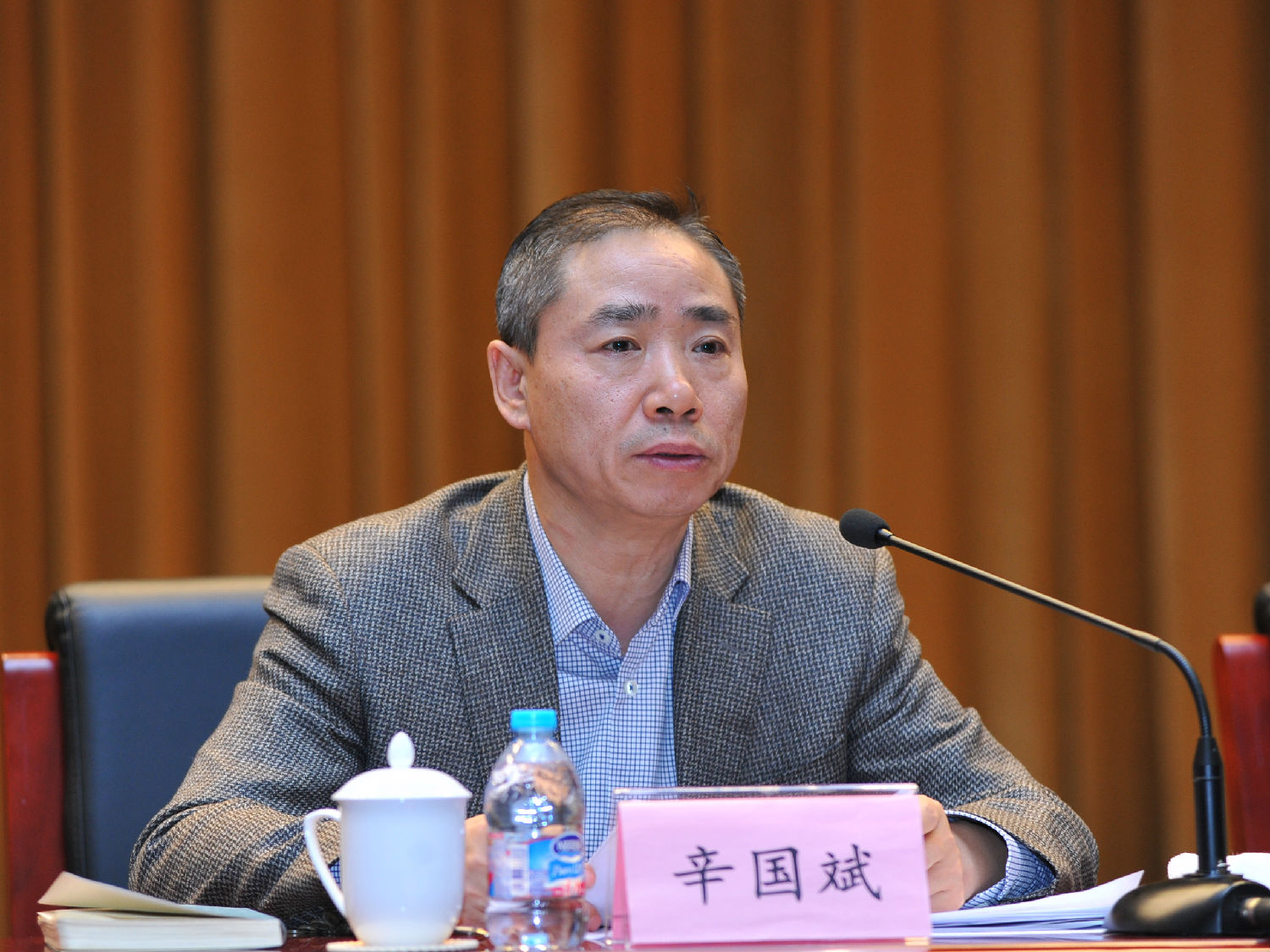
Xin Guobin pointed out that to implement the strategic arrangements for building a manufacturing powerhouse, MIIT launched the Special Initiative on Intelligent Manufacturing Pilot Demonstration Projects in 2015. Thanks to concerted efforts from all parties over the past three years, the initiative has yielded remarkable results. A basic system for advancing intelligent manufacturing has taken shape, the supply capacity of core equipment has kept improving, integrated service capabilities have been steadily lifted, foundational supporting capacities have been reinforced, and notable progress has been made in the promotion and application of new models. To date, a total of 206 intelligent manufacturing pilot demonstration projects have been selected and confirmed, including 28 innovative industrial internet application projects. The sectors and regions covered by the pilot programs have expanded gradually, now encompassing 30 provinces, autonomous regions and municipalities directly under the Central Government as well as 82 industrial sectors. These projects have played a positive role in helping enterprises improve quality, boost efficiency, cut costs and reduce consumption, and strengthen core competitiveness, strongly supporting and driving the transformation and upgrading of the manufacturing sector.
Xin Guobin stressed that intelligent manufacturing is pivotal for China’s manufacturing industry to keep abreast of global development trends and bolster development strengths. Vigorously developing intelligent manufacturing is a vital pathway to accelerate the construction of a manufacturing powerhouse and shift economic growth from quantitative and scale expansion to quality and efficiency improvement. It also serves as a concrete measure to implement the guiding principles from the 19th National Congress of the Communist Party of China. We must take Xi Jinping Thought on Socialism with Chinese Characteristics for a New Era as the guide for all work related to intelligent manufacturing. We will align ourselves with new requirements, conduct thorough reviews of pilot demonstration outcomes, proceed from realities, stimulate enterprises’ internal driving forces, shore up key weak links, and carry out targeted guidance and promotion of experience and models from pilot enterprises across diverse sectors and at multiple levels. More breakthroughs at individual pilot sites will lift the overall quality and efficiency of manufacturing and address unbalanced and inadequate development in China’s manufacturing industry.
Xin Guobin proposed that we should adhere to four combinations: integrating international experience with Chinese characteristics, combining government guidance with market leadership, balancing comprehensive advancement with differentiated industrial development, and linking industrial intelligent transformation with core capacity upgrading. The following priorities will be pursued in the next stage: First, scale up policy support to deepen pilot work; second, prioritize standards development to continuously strengthen supporting capacities for intelligent manufacturing; third, boost institutional innovation to foster a sound intelligent manufacturing ecosystem; fourth, step up publicity to disseminate replicable experience and models on a wider scale.
Xin Guobin required competent industrial and information authorities at all local levels and relevant MIIT departments to maintain close coordination and strengthen guidance and oversight over pilot work. Industry associations and central enterprise groups should fully tap their initiative and actively undertake tasks to advance intelligent manufacturing within their respective sectors and groups. He urged local authorities, industrial sectors and corporate groups to strengthen exchanges on intelligent manufacturing experience and promote new models through various channels at all levels. Solid and effective efforts will be made to deepen the development of intelligent manufacturing, making new and greater contributions to accelerating the building of a manufacturing powerhouse and developing a modernized economic system.
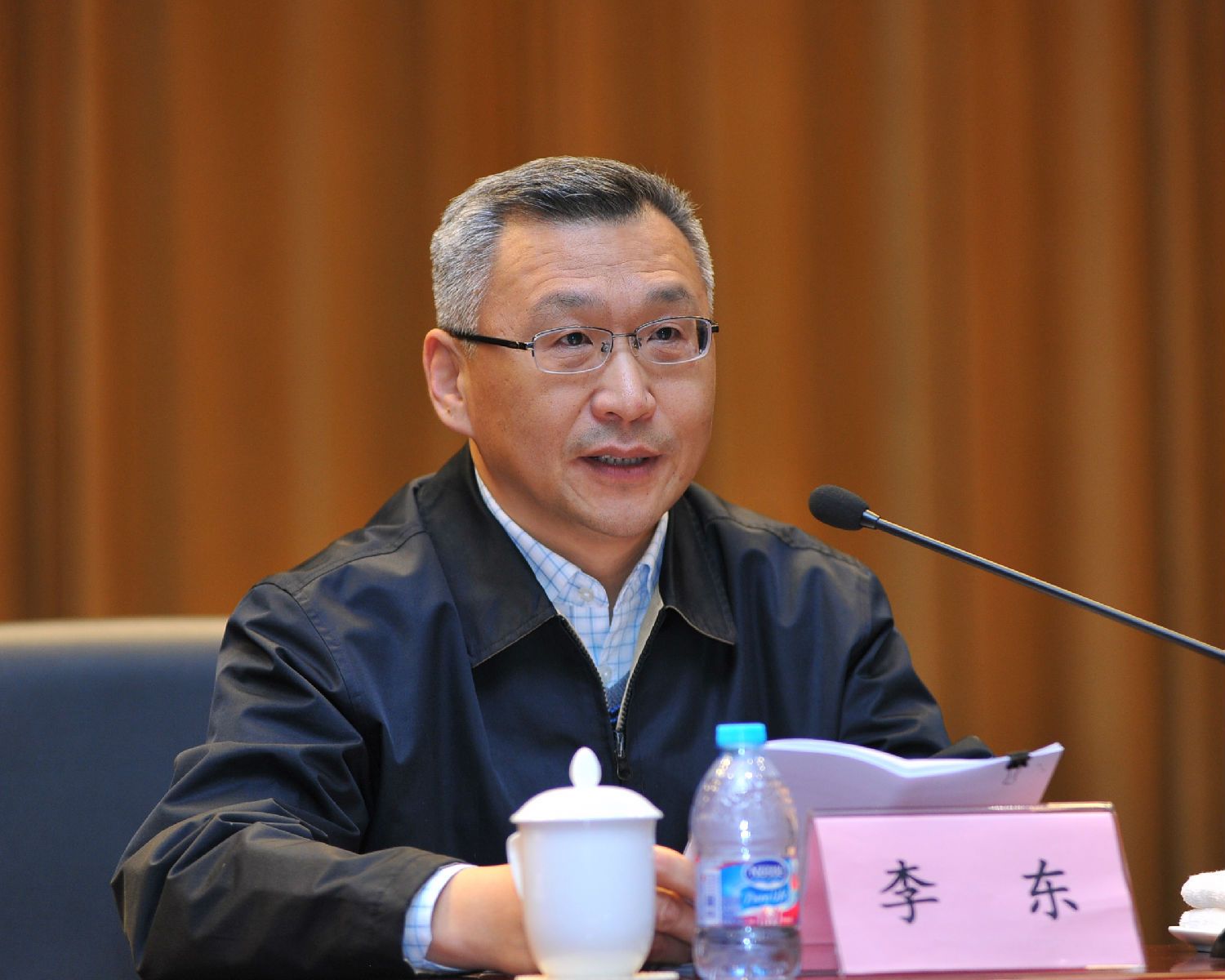
At the meeting, six typical enterprises including Yahua Group Santai Chemical Co., Ltd., Sinopec Maoming Petrochemical Company, SIASUN Robot & Automation Co., Ltd., JOMOO Group Co., Ltd., BOE Technology Group Co., Ltd. and Foton Motor Co., Ltd. delivered speeches respectively, sharing their progress, successful experience and demonstration value in advancing intelligent manufacturing.
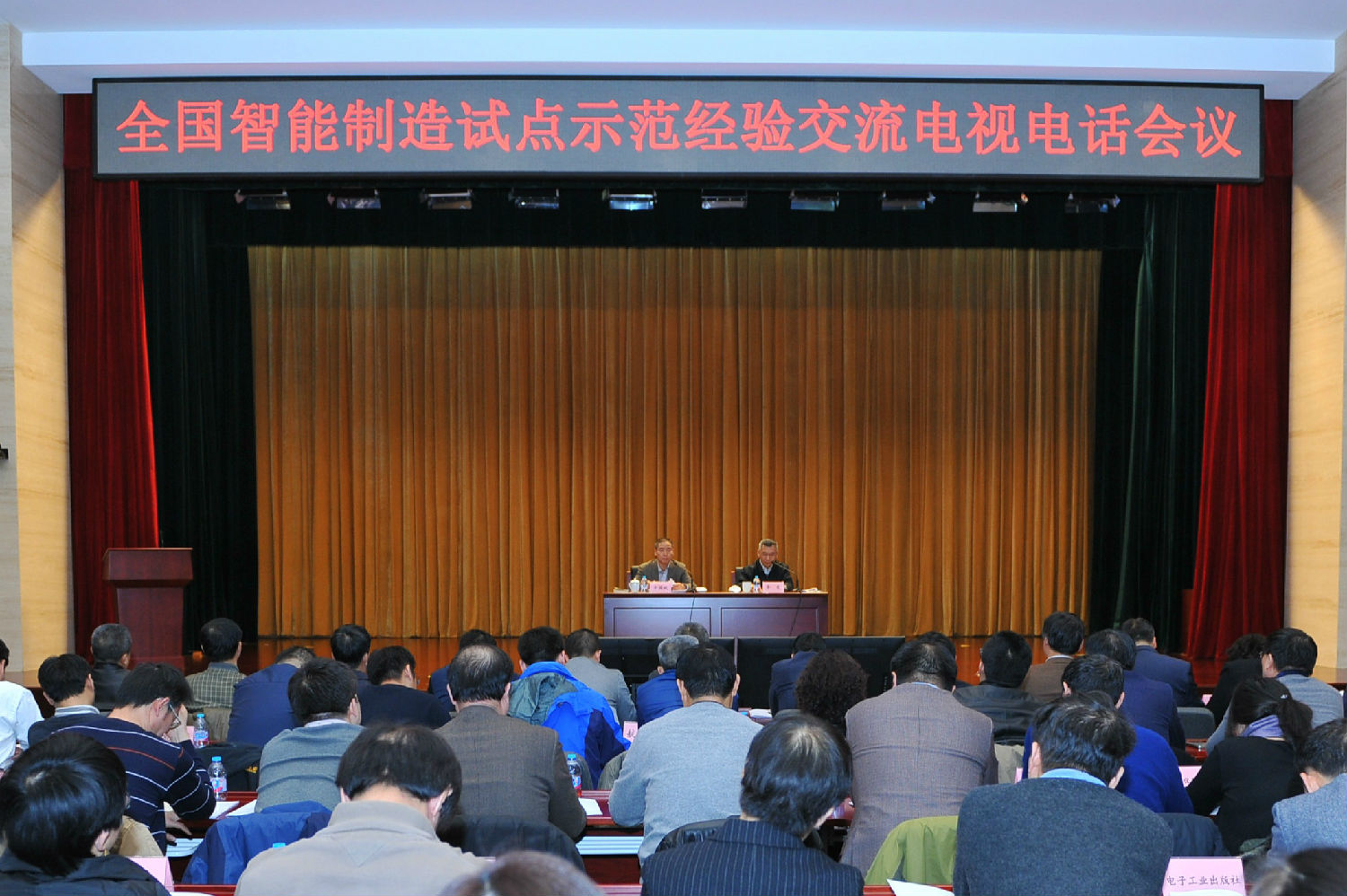
More than 100 participants attended the main venue in Beijing, covering officials from relevant MIIT departments, staff of Beijing Municipal Bureau of Economy and Information Technology, representatives of relevant industrial associations and alliances, central enterprise groups headquartered in Beijing, Beijing-based enterprises, selected pilot demonstration enterprises, experts in intelligent manufacturing and journalists.
Branch venues were set up in all provinces, autonomous regions, municipalities directly under the Central Government and cities with separate planning. Over 1,700 people participated in the branch sessions, including leading officials of local industrial and information authorities, representatives of local pilot demonstration enterprises and other relevant manufacturers.
Source: Department of Equipment Manufacturing Industry, MIIT