





Chemical raw materials
 Current Industry Status
Domestic Situation
Stable Overall Product Output
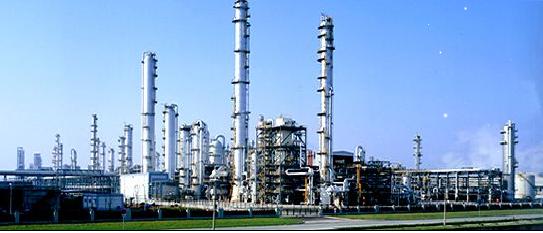
In 2017, the overall production of the petrochemical and chemical industry maintained steady growth. Ethylene output reached 18.214 million tons, up 2.4%; sulfuric acid output stood at 86.942 million tons, a year-on-year rise of 1.7%; caustic soda output hit 33.652 million tons, growing by 5.4%; calcium carbide output was 24.473 million tons, a decrease of 1.7%; pure benzene output amounted to 8.335 million tons, increasing by 3.7%; methanol output reached 45.288 million tons, with a growth rate of 7.1%; synthetic materials output totaled 150 million tons, up 6.6%; tire production reached 926 million pieces, rising by 5.4%; total chemical fertilizer output was 60.652 million tons, down 2.6%.
Accelerated Growth of Economic Benefits
In 2017, there were 28,005 industrial enterprises above designated size in the petrochemical and chemical sector. Their industrial added value rose by 3.7% year-on-year, and cumulative main business income hit 13.45 trillion yuan, an increase of 15.8%, marking the fastest growth rate in six years. Among this total, the chemical industry generated main business income of 9.10 trillion yuan, up 13.8%. The whole industry achieved total profits of 831.36 billion yuan, surging 52.1%, the highest growth in seven years; the chemical industry contributed 607.24 billion yuan in profits, a 39.7% increase.
Further Expanded Foreign Trade
In 2017, the total import and export volume of the petrochemical and chemical industry reached USD 583.37 billion, growing by 22.1%. Exports accounted for USD 192.98 billion, an increase of 12.9%. The trade deficit stood at USD 197.42 billion, rising by 45.1%.
Continuous Optimization of Industrial Restructuring
High-end and special chemical products such as synthetic resins, synthetic fibers and electronic chemicals achieved rapid development. Synthetic materials, basic chemicals and specialty chemicals led the sector in revenue and profit growth, jointly contributing more than 80% of the total revenue and profit increment of the entire chemical industry. Solid progress was made in cutting overcapacity in saturated industries: in 2017, synthetic ammonia capacity was reduced by 1.65 million tons, urea capacity by 2.8 million tons, calcium carbide capacity by 3.5 million tons, and polyvinyl chloride capacity by 280,000 tons.
Overseas Situation
The global advanced chemical materials industry currently features the following characteristics:
1.A small number of industrialized countries including the United States, European nations and Japan remain the major producers and consumers of advanced chemical materials, holding a monopoly over sophisticated production technologies.
2.Major multinational corporations have launched new rounds of expansion plans, and the globalized sales of advanced chemical materials have become an increasingly prominent trend.
3.The Asia-Pacific region enjoys rapid development and has become a prime investment destination for advanced chemical materials.
4.The industrial scale of advanced chemical materials keeps expanding, with a constant stream of new varieties emerging.
Industry Trends
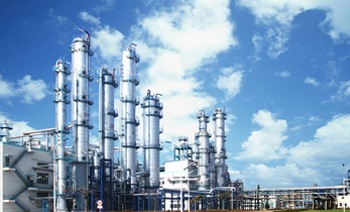
To advance supply-side structural reform in China’s petrochemical and chemical raw material industry and resolve major contradictions plaguing the sector, targeted strategies and solutions were formulated during the 13th Five-Year Plan period, outlining development directions for the industry over the subsequent decade, which are reflected in six key aspects:
1.The total output of chemical raw materials and the petroleum industry will maintain steady growth, with the total industrial output value expected to reach 16 trillion yuan by 2020.
2.The market scale of chemical raw materials, petrochemicals and related sectors will expand. Domestic consumption of most chemical products will achieve an annual growth rate of over 5%. Among them, advanced chemical materials and high-end specialty chemicals will register an annual growth rate of 8% to 10%.
3.Supply capacity will be optimized and upgraded. Measures including phasing out zombie enterprises will cut excess capacity, while the development of strategic emerging industries such as new energy and new materials, as well as producer services, will be accelerated.
4.The industrial structure will be readjusted and optimized. The sector will vigorously expand high-end markets covering advanced chemical materials, specialty chemicals, high-end equipment manufacturing, new energy, energy conservation and environmental protection, information and biomedicine, so as to raise the self-sufficiency rate and market share of high-end products.
5.Industrial layout will be rationally regulated. Resource-abundant regions including the western and northeastern areas shall develop supporting downstream industrial chains in light of local market demand. Regions such as East China, North China and South China will rely on domestic raw materials and imported resources to develop differentiated, high-end and eco-friendly industries.
6.Energy conservation and emission reduction in the chemical raw material and petrochemical industries will be further pushed forward, and clean production will be fully implemented.
Solutions
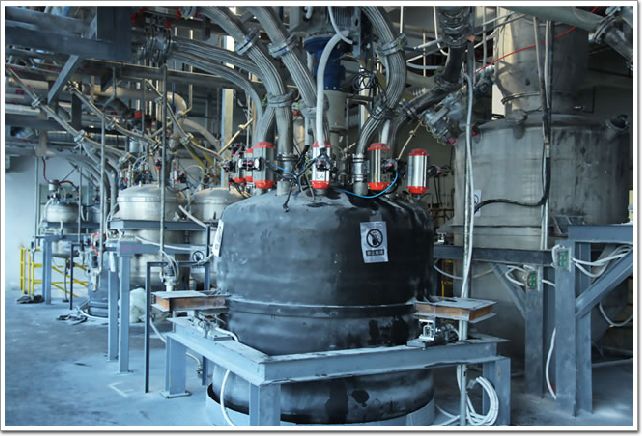
Lapsen’s Plant IT™ platform significantly improves enterprise operational efficiency and reduces overall operating costs. The enterprise information system built on the Plant IT™ platform serves as a core foundation for long-term corporate development, substantially enhancing enterprises’ innovation capability and value creation capacity. In the chemical raw material industry, digital transformation has become an inevitable trend, and mature enterprise information systems effectively strengthen the core competitiveness of chemical enterprises.
The information system based on Lapsen Plant IT™ brings the following core benefits to enterprises:
- Integrated system operationThe system covers cross-departmental business processes and realizes unified internal information sharing, eliminating isolated data silos.
- Optimized business processesAll departments restructure and standardize their management systems based on fully optimized and streamlined business workflows.
- Dynamic performance improvementThe system supports real-time monitoring, feedback and control of operational indicators across all management links and departments, enabling timely identification and correction of problems in production and management.
- Efficient management and decision-makingRapid information query and real-time data feedback ensure standardized, scientific and efficient enterprise management and decision-making.
- Refined cost controlAdopting advanced information-based management tools helps enterprises select high-quality suppliers, conduct standardized supplier evaluation and management, and optimize inventory digestion. It enables efficient resource utilization and waste-to-value transformation, serving as a critical approach for modern chemical enterprises to achieve refined cost optimization.