






Industrial silicon smelting
 Industry Overview:
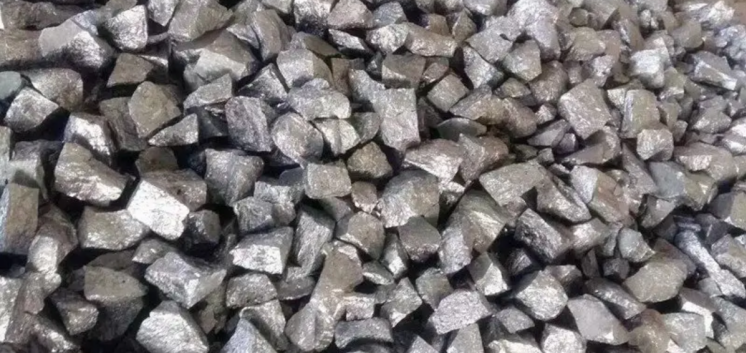
Industrial silicon production utilizes silicon ore as the raw material and carbon material as the reducing agent for smelting in an electric furnace container. The main cost components include raw materials, auxiliary materials, and electric energy. Downstream products mainly include organosilicon, silicon-aluminum alloy, polysilicon, silicon carbide, etc. Industrial silicon production is slag-free smelting, and slag physical and chemical properties cannot be altered using slag smelting methods to adjust the electric furnace's electrothermal parameters and product composition. Common reducing agents for industrial silicon include charcoal, petroleum coke, low ash bituminous coal (ash content <5%), and semi-coke. The temperature distribution inside the electric furnace chamber for producing silicon metal using the slag-free process is very uneven, and dead material zones are easily formed in areas farther from the electrodes. To improve the temperature distribution in the furnace chamber and increase the smelting area, many large electric furnaces are equipped with a furnace body rotating mechanism that rotates the furnace body in a horizontal direction in one direction or reciprocates it through a 120° rotation.
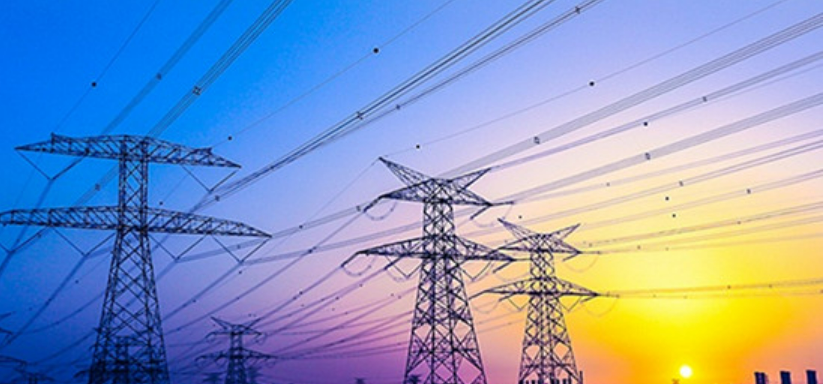 In the cost structure of industrial silicon smelting, electricity costs account for the highest proportion, followed by reducing agents, with the two together accounting for 65%. Producing one ton of industrial silicon requires approximately 3 tons of silica and 2 tons of reducing agents. However, with the significant increase in the price of electrode raw materials, motor costs have also become the third largest cost in industrial silicon production. In recent years, major producing provinces have successively introduced policy restrictions on industrial silicon enterprises, focusing on limiting new production capacity and phasing out inefficient electric furnaces. In particular, various provinces and regions across the country have successively introduced power rationing policies, and industrial silicon, as a major electricity consumer, has been deeply affected by these policies.
Industry characteristics:
The industrial silicon industry is characterized by outdated production models that remain mainstream, and the structural adjustment of the industry is in the process of optimization. Currently, all tapping platforms rely entirely on on-site personnel for operations such as opening, pulling, and blocking the tap hole, which cannot guarantee the personal safety of personnel. The protection level in the operating area for operators is not high, and the space is narrow. In the event of an accident during the tapping process, it will endanger the personal safety of on-site personnel. Furthermore, the use of burnthrough devices for lifting results in poor handling of smoke and dust at the tap hole, creating an extremely harsh on-site environment that does not meet environmental protection requirements.。
Industry status:
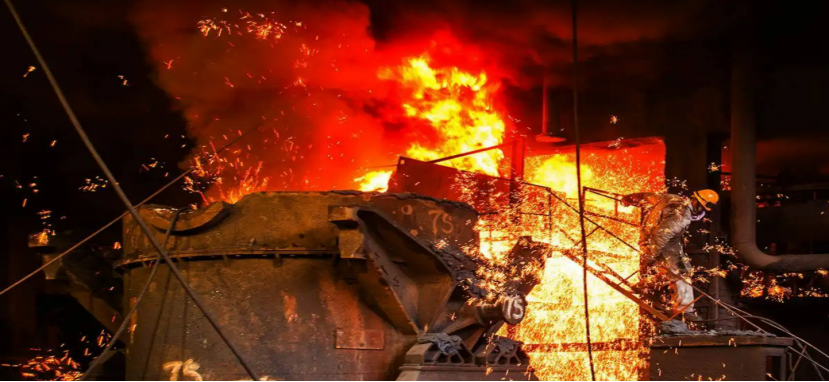 Compared to ferrosilicon, smelting industrial silicon requires a higher furnace temperature, especially for producing industrial silicon with a silicon content of over 95%. The liquidus temperature is above 1410°C, necessitating smelting at temperatures above 1800°C. During the smelting process, a relatively high furnace chamber temperature must be controlled. Smelting operations in high-temperature environments also give rise to a series of issues, such as extremely high temperatures on the job site and severe flue gas pollution. Eye injuries, burns, mechanical injuries, object strikes, electric shocks, and other accidents involving human injuries occur from time to time. Due to the high cost of submerged arc furnaces required for industrial silicon smelting, most small-scale enterprises still use semi-enclosed or open submerged arc furnaces for production. Therefore, a series of problems such as hazardous and poor working environments, manual operations, high labor intensity, and potential safety hazards persist in industrial silicon smelting operations.
For industrial silicon production enterprises, the problems are not limited to this. The number of workers engaged in dangerous and heavy physical labor has declined sharply, and the new generation of young people is unwilling to engage in such work. Manual or semi-automatic operations such as furnace tapping and ramming pose a threat to the safety of workers. Obviously, the increasing labor cost and difficulty in recruiting workers are also major challenges faced by enterprises.
Advantages of the substitution of the discharge machine:
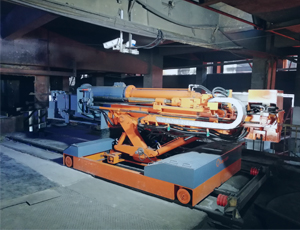
The industrial silicon tapping robot product possesses capabilities such as high temperature resistance, splash resistance, and strong impact resistance, while also offering advantages of precision, flexibility, and intelligence. The operation of the industrial silicon tapping robot can effectively avoid occupational hazards such as high temperature and dust exposure, eliminate dangerous factors in manual operations, and help enterprises achieve staff reduction, efficiency improvement, cost reduction, and production increase.
The application of the robotic system in the industrial silicon smelting field will enable the industry to achieve intelligent high-end equipment and a smart production system, drive the adjustment of the company's industrial structure, adhere to innovation-driven development, and ultimately realize an intelligent production factory with deep integration of informatization and industrialization.