





Blast furnace ironmaking
Industry Status
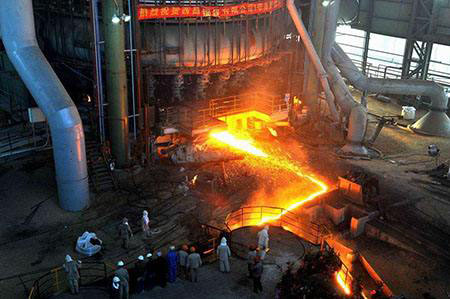
With economic growth and social progress, China has achieved remarkable technological breakthroughs in many fields, especially in iron smelting. Continuous innovation and upgrading of ironmaking technologies have greatly boosted the development of the metallurgical industry and improved operational efficiency. Furthermore, the advancement of iron smelting technologies helps enhance the quality of steel products, better meet market demands, and drive the growth of other domestic industries. As social demand for steel keeps rising, upgrading and applying metallurgical technologies are of great significance to the sound development of the steel sector.
The rapid industrial expansion has led to a sharp increase in demand for steel. Despite the growing dominance of the tertiary industry, China’s steel demand remains on the rise, accompanied by higher requirements for product quality. Currently, blast furnace technology is the mainstream for domestic iron and steel production, yet it suffers from outdated operational performance and frequent technical defects, which in turn cause quality problems in finished steel products. To address these issues, metallurgical technologies have been integrated into blast furnace ironmaking. This combination effectively solves existing problems, improves overall ironmaking quality, and makes the research on the application and development of metallurgical technologies for blast furnaces highly valuable.
Development Trends
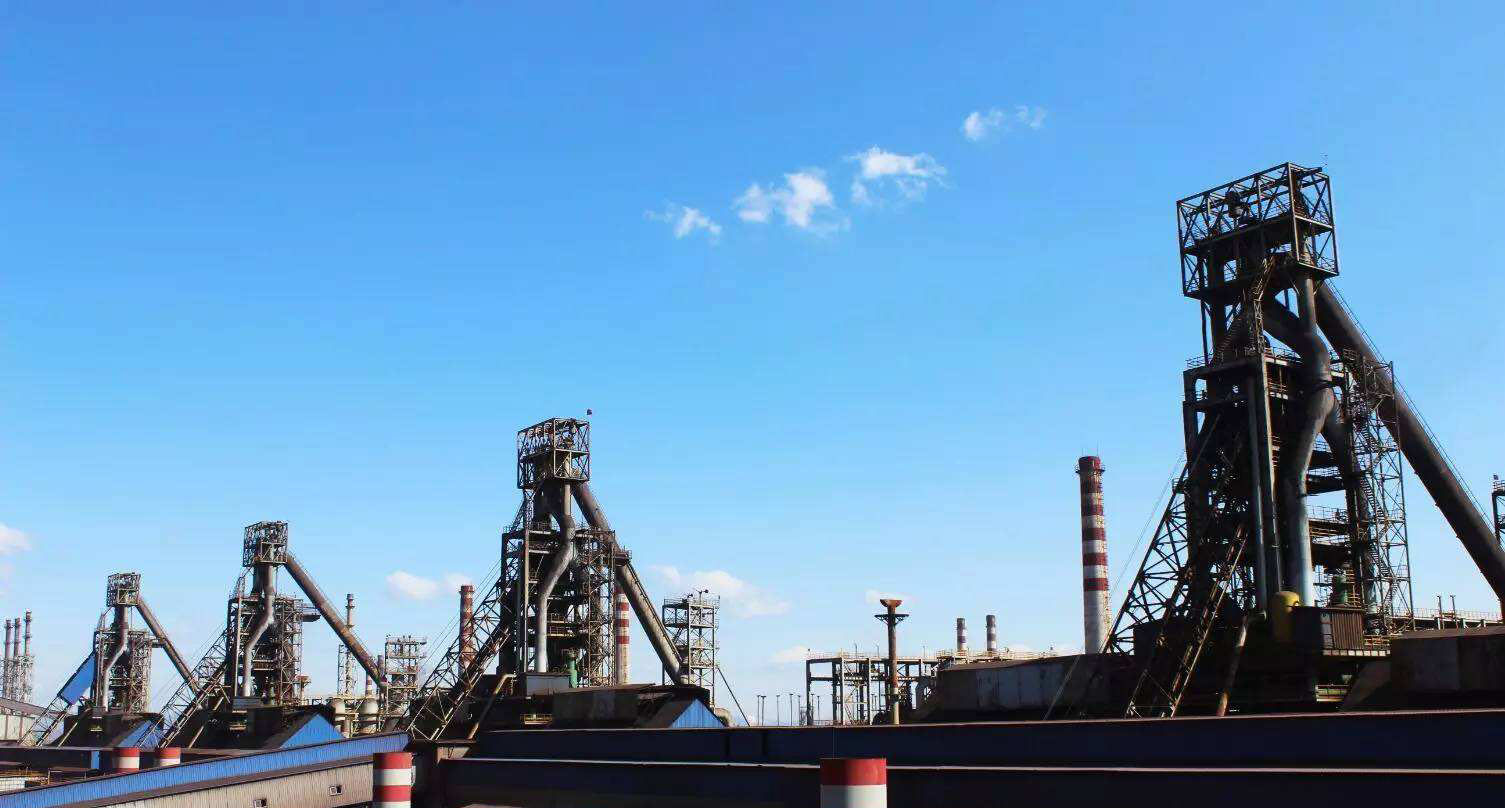
Since the reform and opening up, China has been learning from and introducing advanced foreign ironmaking equipment and technologies, and has made notable progress to produce high-quality steel products. However, market evolution has led to a sharp decline in steel demand and a resultant supply surplus. Relevant statistics show that blast furnaces generally adopt a high pulverized coal injection rate with reduced fuel ratio and coke rate, and enterprises equipped with advanced metallurgical technologies achieve even lower figures in these two indicators. It fully demonstrates that the application of metallurgical technologies delivers remarkable value and effectively drives the advancement of blast furnace ironmaking.
- In raw material production, deploy advanced technologies to drastically cut emissions of sulfur dioxide, nitrogen oxides, carbon dioxide, dioxins and other pollutants, so as to realize clean production, particularly in sintering and coking processes. Special attention shall also be paid to nitrogen oxide emissions from hot blast stoves and pellet production.
- Accelerate the research, development and industrial application of low-carbon ironmaking technologies, including coke oven gas injection, iron coke, top gas recycling and oxygen-enriched blast furnaces.
- Popularize blast furnace simulation and visual control technologies to ensure stable and smooth furnace operation.
- Strengthen the comprehensive utilization of secondary resources such as sinter dust, blast furnace dust, zinc-containing dust, stainless steel dust, converter slag and mill scale, to achieve low energy consumption, low emissions, environmental optimization and industrial transformation for ironmaking.
Summary
As environmental concerns grow and public environmental awareness improves, energy conservation and emission reduction in blast furnace ironmaking have become a global priority. Countries worldwide are actively developing and deploying new technologies to achieve low-carbon and intelligent ironmaking. Driven by technological progress, China’s blast furnace ironmaking industry is confronted with enormous challenges while embracing new opportunities. The continuous research and application of innovative technologies are steadily advancing the low-carbon and eco-friendly transformation of the domestic steel industry, laying a solid foundation for its long-term sustainable development.