





Alumina
 Current Industry Status
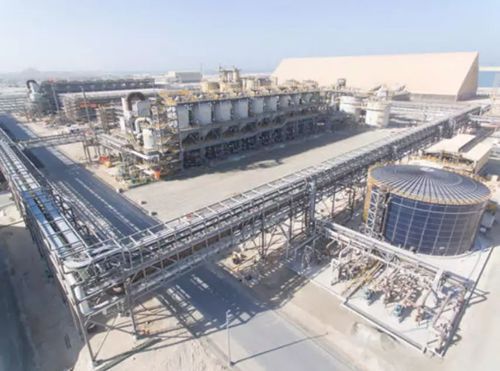
China is now the world’s largest producer and consumer of alumina. Its alumina output share of global total output rose from 23% in 2006 to the current 54%. As total output keeps expanding, the consumption of bauxite resources and energy during alumina production continues to grow, accompanied by certain environmental pollution. An investigation into environmental influencing factors of China’s aluminum industry reveals that most pollution originates from the alumina production phase, so stricter control over this stage is imperative. Meanwhile, a survey on energy consumption across aluminum production shows that the loss of metal resources in aluminum smelting cannot be overlooked. In 2015, China suffered aluminum metal losses of up to 21,600 tons during smelting. Against such high energy consumption, evaluations tailored to different production processes are required to effectively mitigate resource and environmental pressures caused by alumina manufacturing.
After the founding of the People’s Republic of China, the country faced a wide range of tasks to restore industrial development. Research on aluminum products commenced at Shandong Aluminum Plant in 1954, and new aluminum production plants were successively built in other provinces by 1966. Since then, China’s alumina output has grown steadily. There are now hundreds of alumina manufacturers nationwide, and the continuous adoption of new technologies has enabled China to achieve self-sufficient alumina production capacity.
China’s alumina production technologies evolved mainly from the sintering process. Current mainstream processes include sintering, combined Bayer-sinter, and Bayer methods. The sintering process is widely applied thanks to its high recovery rate, and this traditional technology holds advantages over many global alternatives. The combined Bayer-sinter process is an innovative domestic Chinese technology that significantly cuts energy consumption and production costs, and has been widely deployed in production. The Bayer process adopted by Aluminum Corporation of China Guangxi Branch also features low energy use and production costs.
Driven by technological progress, China has introduced advanced foreign alumina production processes in recent years. By assimilating overseas technologies and integrating domestic production experience, China’s overall alumina manufacturing technologies have seen substantial improvements. Newly developed processes include indirect heating continuous digestion, intensified heating digestion, and fluidized roasting. The application of these innovations has lifted alumina production efficiency while drastically reducing energy consumption and environmental pollution. Nevertheless, certain practical bottlenecks remain in the on-site application of these new technologies, requiring persistent research efforts to resolve.
Industry Trends
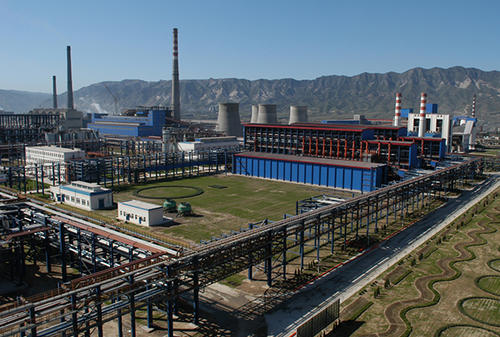
Driven by sustained social and economic growth, China’s alumina industry has achieved rapid development, with current output capable of meeting domestic market demand. However, unregulated capacity expansion over recent years has led to overcapacity in the alumina market. To realize sustainable development of the alumina sector, enterprises must continuously optimize cost inputs, upgrade production technologies, cut energy consumption and reduce environmental pollution so as to achieve genuine sustainable growth.
In terms of domestic alumina production technologies, despite certain gaps compared with foreign advanced standards, remarkable progress has been made in energy conservation and productivity improvement thanks to technological advances. The future development of the alumina industry will focus on the following directions:
First, advanced alumina precipitation technologies will be adopted to bring alumina products up to international standards and boost the production efficiency of electrolytic aluminum.
Second, continuous efforts will be made to extend the alumina industrial chain to realize cross-sector collaboration. Wider application of modern information technology will effectively raise the level of automated production.
Through comprehensive efforts, production standards will be steadily elevated to secure certifications from international environmental authorities for alumina production. This requires increased investment in green and environmental protection facilities, eco-friendly disposal of all types of waste generated in production, and sound support for the long-term sustainable development of China’s alumina industry.
In conclusion
In conclusion, with the continuous development of China’s socioeconomic growth and technological advancement, the alumina industry is embracing favorable development opportunities. Therefore, alumina enterprises must seize this strategic opportunity to upgrade production technologies, improve both the output and quality of alumina products, reduce environmental pollution and excessive energy consumption, and promote the harmonious and sustainable development of the social economy.