



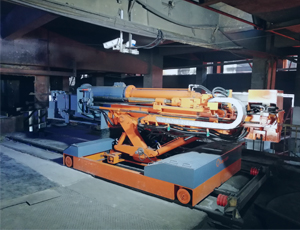




Ferroalloy smelting
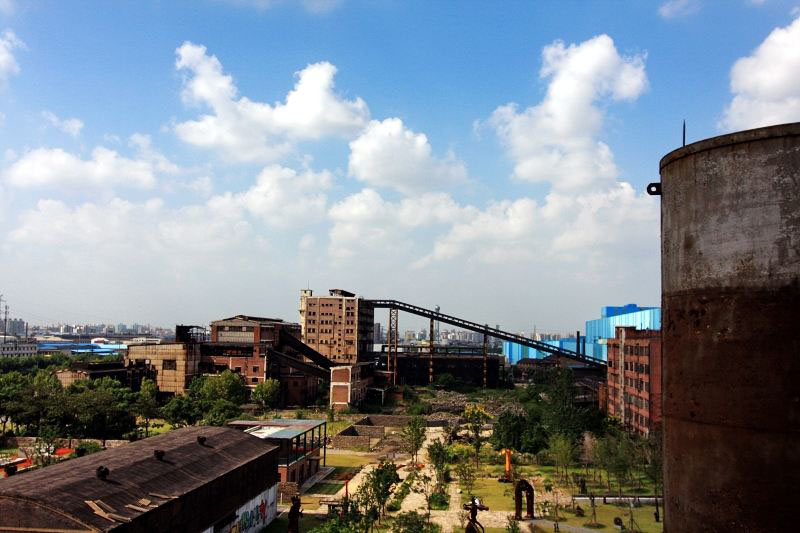 Current Industry Status
Ferrochromium is a sector of the basic raw material industry, mainly serving the iron and steel industry. China's iron and steel industry has achieved remarkable development, basically catering to the rapid growth of the national economy. In 2019, China's crude steel output hit a record high of 996 million tons, a year-on-year increase of 8.3%; the steel output reached 1.205 billion tons, rising by 9.8% year on year. The iron and steel industry is shifting from pursuing output growth to quality improvement and structural adjustment, transforming from extensive high-speed development to refined development at a moderate pace.
Chromite is an important strategic resource and the primary raw material for producing high-carbon ferrochromium. The ferrochromium industry in China started relatively late compared with foreign countries, and the country is deficient in chromite resources. Its reserved chromite reserves account for merely 0.15% of the world's total, featuring scattered distribution, small-scale deposits and low ore grade. No large chromite deposit with reserves exceeding 5 million tons has been discovered so far. Restricted by reserves and mining costs, domestic chromite output remains low, and massive imports are required to support ferrochromium production. Since 1999, China's reliance on imported chromite has stayed above 95%, meaning the industry is almost fully dependent on overseas supply.
China's chromite imports have remained at a high level since 2010. The import volume exceeded 8 million tons in 2010 and nearly reached 16 million tons in 2019, twice the figure of 2010. Reduction smelting in submerged arc furnaces is the mainstream production method for ferrochromium in China. Due to the high construction cost of fully-enclosed submerged arc furnaces, many enterprises still adopt semi-enclosed or open-type furnaces. The overall equipment level is backward: the power consumption for smelting is as high as 3500 kWh per ton, and most facilities are small and medium-sized furnaces with a capacity below 25MVA.
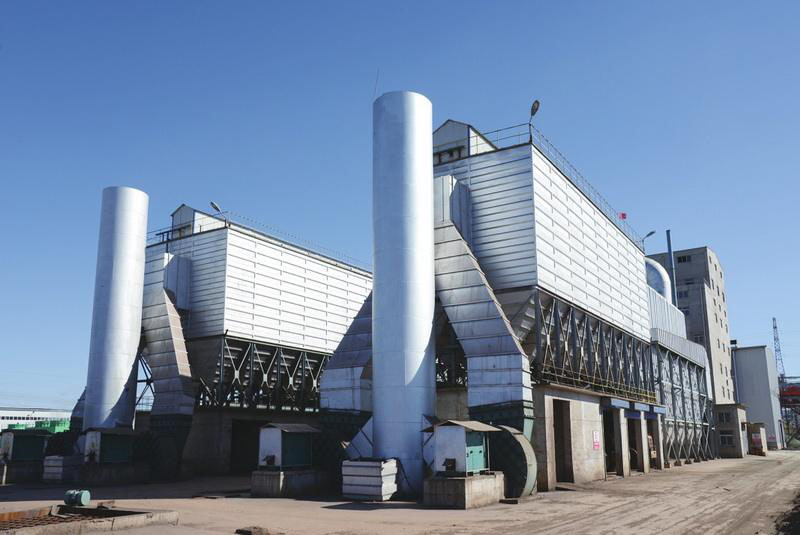
Industry Trends
The Catalogue for the Guidance of Industrial Restructuring (2019 Version) imposes restrictions on submerged arc furnaces for ferrochromium smelting with power consumption over 3200 kWh per ton and a capacity below 25MVA. To meet the requirements of environmental protection and industrial transformation, China is phasing out high-power-consumption and small-capacity submerged arc furnaces in accordance with relevant national policies. The construction of large fully-enclosed submerged arc furnaces is being promoted to drive industrial restructuring and upgrading. Meanwhile, furnace gas is recycled to strengthen environmental protection and cut energy
Summary
Driven by the robust development of China's iron and steel industry, the output and apparent consumption of stainless steel keep rising year by year. The annual demand growth of high-carbon ferrochromium is highly correlated with that of crude steel, and its annual output also increases steadily. Nevertheless, the annual supply gap still stands at over 2 million tons. In addition, China relies almost entirely on imported chromite resources.
Reduction smelting in submerged arc furnaces dominates domestic ferrochromium production. High equipment costs result in backward overall facilities and high smelting power consumption. Large-scale furnaces, together with the feeding of clinker and hot materials, have demonstrated prominent advantages. Combined with the development of chromite resources, these technologies will become the mainstream of ferrochromium smelting and comply with the requirements of the Catalogue for the Guidance of Industrial Restructuring (2019 Version).
For chromite fines agglomeration, pelletizing produces pellets with nearly 5% higher total chromium (TCr) content than sintering. With less bentonite added, pellet smelting generates fewer slags. Production practices show that when 100% hot-charged pre-reduced chromite pellets are used in submerged arc furnaces (compared with sinter, oxidized pellets and pre-reduced pellets made from chromite fines), the daily output of ferroalloy rises to 260 tons, power consumption drops to 2100 kWh per ton, and the chromium content in slag falls to 3%, delivering remarkable economic benefits.