




Glass curtain wall
 Industry Status
Industry Trends
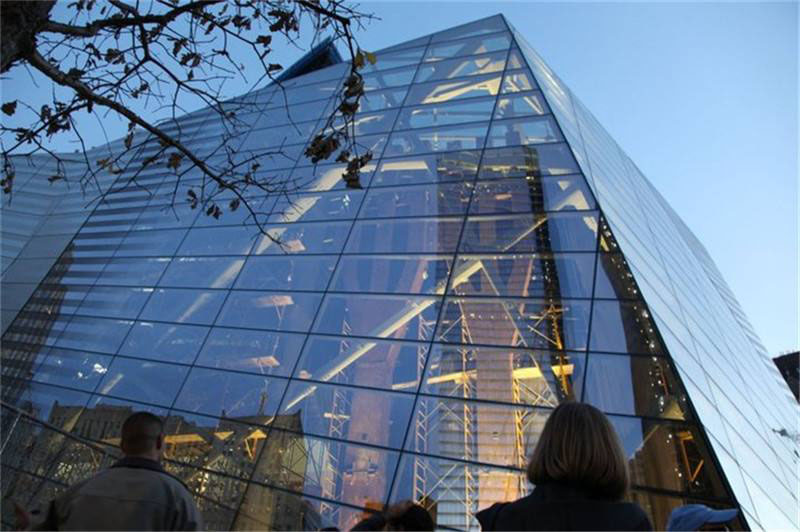
Due to the relatively short development history of China’s architectural glass curtain wall industry, the construction of relevant industry standards still has certain deficiencies. However, as China has become the world’s largest producer and user of glass curtain walls, the improvement and standardization of industry standards will inevitably accelerate.
First, governments at all levels have attached great importance to the safety standards of architectural glass curtain walls. China has successively issued regulations on the application of safety glass in buildings, and relevant laws and regulations will be further improved in the future, laying a solid foundation for the sound development of the glass curtain wall industry.
Second, a series of national standards have been formally promulgated, including the Design Standard for Energy Efficiency of Public Buildings, Design Standard for Energy Efficiency of Residential Buildings in Hot Summer and Warm Winter Zones, Inspection Standard for Energy Efficiency of Heating Residential Buildings, and Green Building Evaluation Standard. The application of glass curtain walls in modern construction will better meet the energy-saving requirements of architectural projects.
Third, in terms of ecological standards for glass curtain walls, many local governments have introduced targeted management systems and specifications focusing on the control of light pollution caused by glass curtain walls. In general, the continuous improvement of industry standards will promote the healthy and sustainable development of China’s glass curtain wall industry.
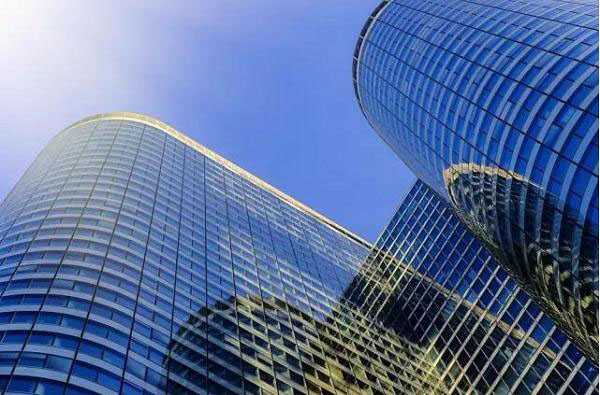
In the early stage of industry development, glass curtain walls were mainly applied for their decorative, aesthetic and daylighting functions, rather than serving as a core part of building main structures. With the vigorous development of green buildings and intelligent buildings, the design and installation of glass curtain walls have gradually focused on the application of energy-saving and environmentally friendly structural technologies.
Glass is the core material of curtain wall structures, and its performance largely determines the overall performance of architectural glass curtain walls. Driven by the growing market demand for green and energy-efficient buildings, the application of energy-saving and environmentally friendly curtain wall materials has become an inevitable development trend of the industry.
With the continuous progress of production and manufacturing technologies, glass curtain walls are no longer limited to traditional functions such as safety protection, energy conservation, environmental protection and decoration. A variety of new functions have been developed, including photoelectric power generation, fire resistance and ecological regulation, realizing the multi-functional integration of building envelope structures.
In summary, the wide application of glass curtain walls has opened a new chapter in the development of China’s construction industry. Benefiting from the continuous innovation of curtain wall manufacturing technology, China’s glass curtain wall industry has maintained a sound development momentum and formed prominent competitive advantages in the global market.