



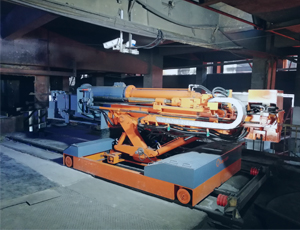





Intelligentization of Calcium Carbide Industry — Automatic Electrode Paste Measuring and Feeding System
Paste measurement is a key daily operation in calcium carbide production. During the operation of the calcium carbide furnace, electrodes are continuously consumed, requiring constant replenishment of electrode paste. The height of the paste column directly affects electrode sintering quality, whether too high or too low. Therefore, it is essential to accurately measure the height of the electrode paste column and quantitatively add electrode paste in a timely manner. For a long time, this operation has been mainly completed manually, which features high labor intensity, severe safety risks and unreliable data accuracy.
In traditional calcium carbide production, electrode paste measurement relies entirely on manual work. Workers need to climb to the upper part of the electrode paste and use pre-made measuring ropes for detection. The total height is measured based on the calibration marks on the ropes, and the paste column height is finally calculated through fixed formulas. However, the calibration marks on measuring ropes are prone to offset, which easily leads to delayed and inaccurate measurement data of the electrode paste column and requires frequent manual verification. In addition, manual paste measurement operations are accompanied by major potential safety hazards on site, including gas poisoning, electric contact from three-phase electrodes, and personal injuries caused by sudden electrode accidents. This measurement method carries prominent hidden dangers and high risk factors.
The main drawbacks are summarized as follows:
Extremely high safety risks
The top of the calcium carbide furnace is a typical high-risk operation area. The furnace temperature reaches thousands of degrees Celsius, the furnace gas contains toxic gases such as carbon monoxide, and the three-phase electrodes carry high-voltage current. During manual paste measurement, inspectors face multiple safety threats including gas poisoning, electric shock and injuries caused by sudden electrode failures.
Large data errors and low information transmission efficiency
Manual measurement depends on the operator’s experience and operational habits. Diverse measurement methods lead to inconsistent results and systematic deviations.
High labor intensity and restricted operation frequency
Each measurement requires suspending other work and climbing to the furnace top platform, resulting in extremely high labor intensity. Restricted by manpower and on-site operating conditions, the measurement frequency fails to meet the requirements of refined production management.
Conventional Measuring Method for Electrode Paste Column Height
Electrode Paste Measurement Methods | Advantages | Disadvantages |
Manual Weight Measurement | Simple operation and high reliability; | Fully manual operation, harsh working environment and high labor intensity; |
Laser Distance Measurement | High measurement precision and good real-time performance; | Limited measuring range, vulnerable to interference and low reliability; |
Radar Level Gauge Measurement | High precision for local measurement and good real-time performance; | Prone to interference with low reliability; |
The automatic electrode paste measuring system simulates the principle of manual weight measurement to detect the height of the electrode paste column inside the electrode shell, and electrode paste is fed by an intelligent overhead crane.
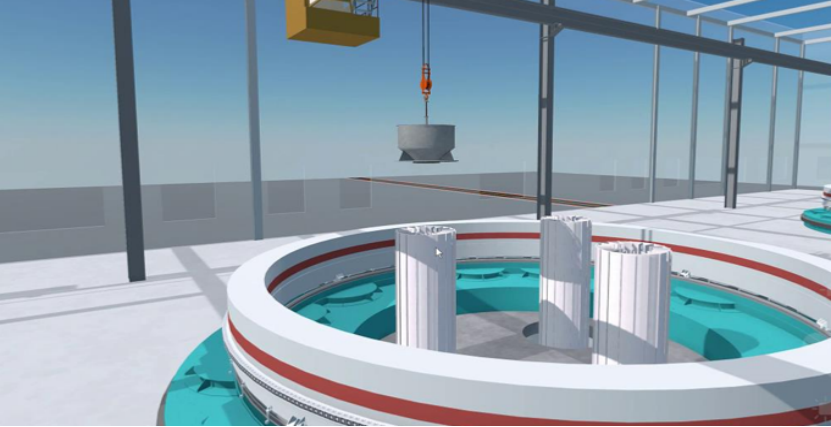
Main Features
Compliant with new national policies: The electrode furnace penetration length must be automatically detected during normal operation. Manual measurement requires power shutdown, personnel restriction and full safety protection.
Traditional manual measurement demands power and furnace shutdown. This equipment optimizes production and working procedures, greatly improving overall operational efficiency.
Ensures operational safety: It replaces manual operation with fully automatic measurement, eliminating risks of electric arc burns and high-temperature scalds.
- Facilitates daily equipment maintenance, inspection and subsequent upgrading and renovation, effectively reducing maintenance costs.
- Automatically analyzes and records detection data, and coordinates with the factory’s existing automation system to ensure stable production.
Main Advantages
Adopts automatic control with a high degree of digitalization.
Delivers superior safety performance to guarantee on-site operation safety.
Intelligently schedules the sequence of electrode paste measurement and feeding.
Optimizes the working environment and reduces labor intensity for employees.
- Reduces staffing and improves efficiency, cutting labor costs and enhancing economic benefits.