







Differences Between Manual Tapping and Robot Tapping
As we all know, the tapping cycle of submerged arc furnaces generally lasts a long time. The tapping processes differ greatly across various sectors including ferrosilicon, ferrochrome, ferromanganese under the ferroalloy category, industrial silicon and calcium carbide.
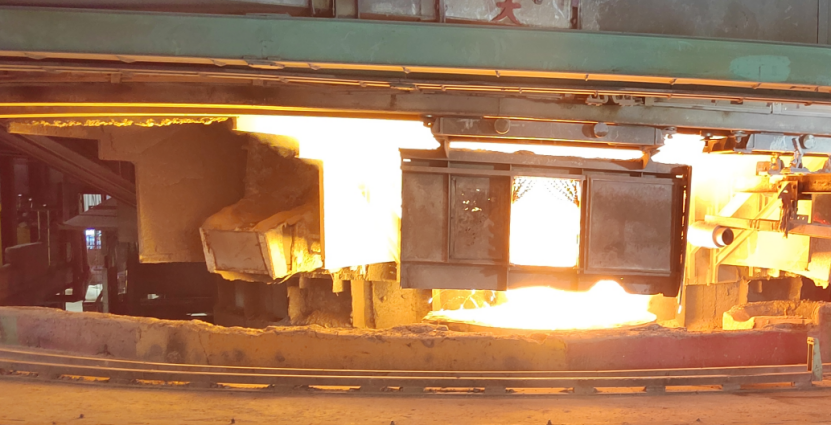
At present, the submerged arc furnace industry mainly adopts two tapping modes: traditional manual tapping and tapping robot tapping. The detailed differences between the two methods are sorted out as follows:
1,Characteristics of Manual Tapping
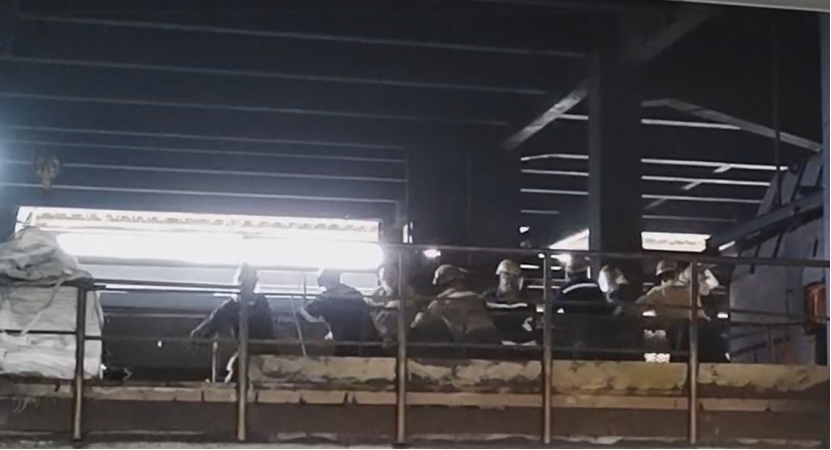
Manual tapping refers to the tapping operation carried out manually by workers with tools such as burn-through machines, drill rods and tap-hole plugging; this mode relies heavily on workers’ proficiency, featuring low operating speed and easy operator fatigue. Its operation precision is subject to individual experience, leading to poor stability. In addition, workers have to work close to high-temperature and dangerous surroundings, exposing them to high safety risks. From a cost perspective, although the upfront labor cost is low, continuous labor expenses will be incurred in the long run.
2,Characteristics of Tapping Robot Tapping
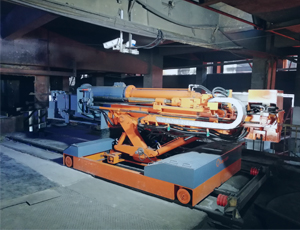
Tapping operations with tapping robots are controlled remotely via a console with a high level of intelligence. Equipped with burn-through machines, drill rods, tap-hole plugging tools and other attachments, tapping robots are compatible with various tapping processes. They operate without relying on worker experience and deliver fully standardized procedures with remarkably high efficiency, boasting millimeter-level operational precision for superior stability. Since no staff are required on-site during operation, safety risks are minimized. In terms of costs, the upfront investment is relatively high, yet substantial labor savings lead to a short overall payback period.
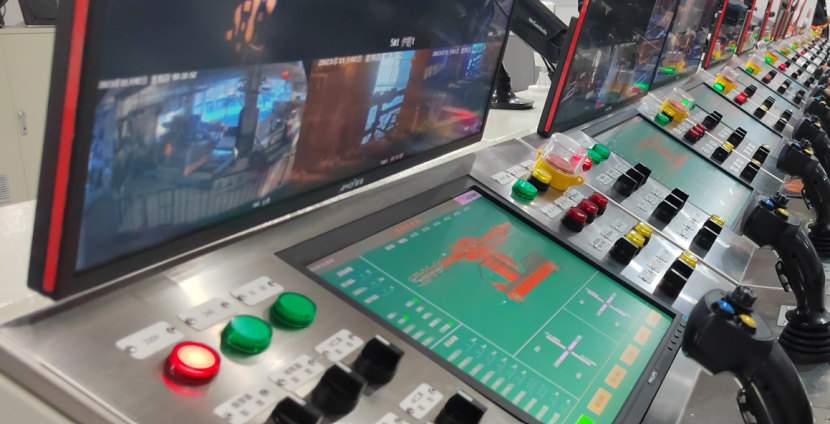
3,Comparative Advantages of Tapping Robots
There are prominent differences between tapping robot operation and manual tapping. Overall, tapping robots deliver core advantages including drastic cuts in furnace tapping staff, fully standardized tapping procedures, higher production efficiency, superior intelligence level and a short investment payback period.
1. Safety
Strong adaptability to high-risk environments: Robots replace manual labor in harsh conditions featuring high temperature, toxic gas and heavy dust, preventing workers from being exposed to hazardous zones.
Reduced industrial injury risks: Effectively avoid scalds, mechanical injuries and occupational diseases such as pneumoconiosis.
2. Production Efficiency
Standardized operations: Robots perform precise movements and eliminate efficiency fluctuations caused by worker fatigue or skill gaps.
Quick response: Shorten the tapping cycle of submerged arc furnaces.
3. Cost Control
Lower long-term costs: Despite relatively high upfront investment, substantial labor expenses including salaries, insurance and benefits can be saved in the long run.
Reduced material waste: Precise control over tapping timing and procedures cuts the defective product rate.
Transparent maintenance: Stable robot operation minimizes losses from unexpected breakdowns.
4. Intelligent Control
Tapping robots support remote intelligent control, enabling an unattended operation mode with remote intervention available as required.
In terms of intelligent management, operators can monitor on-site tapping status in real time via remote control consoles and monitoring systems, which helps enterprises realize standardized production processes and refined management.