Hazardous and Harmful Factors and Their Risk Levels Involved in Ferroalloy Production
2023-09-115064
一、 Hazardous and Harmful Factors
A hazardous factor refers to an element that may cause casualties to personnel or sudden damage to facilities. A harmful factor refers to an element that impairs human health, triggers diseases or causes chronic damage to equipment.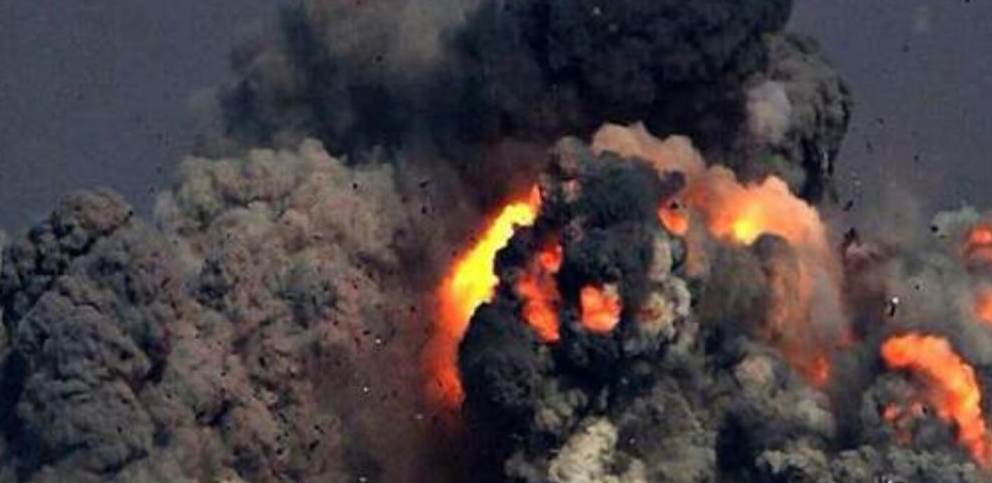
The hazardous and harmful factors existing in ferroalloy production include fire, explosion, fall from height, vehicle injury, lifting injury, scald, electric shock, drowning, boiler explosion, mechanical injury, struck-by hazard, dust, poisoning and suffocation, ultraviolet radiation, high temperature, noise, etc. The involved hazardous chemicals include ferrosilicon, acetylene, oxygen, carbon monoxide and others.In accordance with Code for Fire Protection Design of Buildings (GB50016-2006): acetylene falls under Class A fire hazard substances; carbon monoxide and oxygen fall under Class B fire hazard substances; semi-coke falls under Class C fire hazard substances. Per the Catalogue of Highly Toxic Substances (2003 Version), carbon monoxide is defined as a highly toxic substance. According to Classification of Hazard Levels of Occupational Exposure to Toxicants (GB5044-85), carbon monoxide is a Grade II (high hazard) substance, and oxygen is a Grade IV (low hazard) substance.二、 Hazard and Harm Severity
Based on the process flow and production equipment (installations) of ferroalloy production, the explosive, flammable, toxic and corrosive chemicals involved in production mainly include molten ferrosilicon, medium-dissolved acetylene, compressed oxygen and carbon monoxide.When molten liquid ferrosilicon comes into contact with water, the water will rapidly heat up beyond its boiling point and vaporize instantly, triggering an explosion. Such accidents may lead to mass casualties and severe damage to buildings. Effective preventive measures shall be implemented throughout production.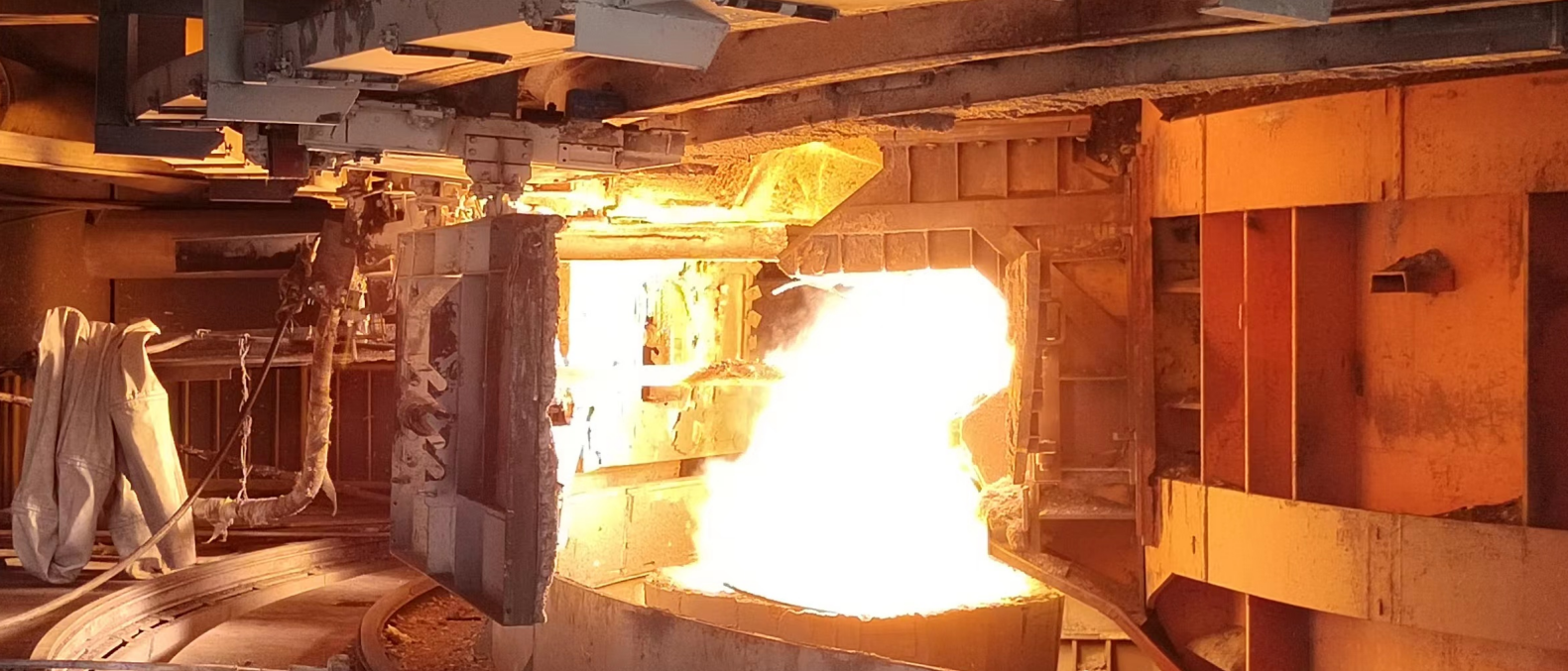
三、Major Harmful Factors
Dust
Dust types generated in this project mainly include ore dust, semi-coke dust, silica dust (containing free SiO₂), ground dust and recovered dust. With fine particle sizes, these dusts easily enter the human body through the respiratory tract and may cause severe respiratory diseases such as pneumoconiosis in serious cases.
Major dust emission sources cover the furnace top of submerged arc furnaces, raw material yards and feeding systems. Long-term inhalation of dust by operators will result in lesions dominated by pulmonary fibrosis, lung hardening and loss of normal respiratory function, eventually leading to pneumoconiosis. Pneumoconiosis is an incurable occupational disease; treatment can only alleviate complications and slow disease progression, rather than eliminate tissue lesions.
Noise
Noise refers to any unwanted, annoying and irritating sound, consisting of irregular and disordered combinations of uncoordinated fundamental tones and harmonics. Major noise sources of this project include air compressors, dust removal fans, blowers, transport vehicles, pumps and furnace bodies, which generate noise during startup, shutdown and normal operation.Without noise reduction or sound insulation devices for high-noise equipment, long-term work in high-noise environments may induce occupational deafness, hypertension, heart disease, neurosis and other illnesses. Noise also pollutes the surrounding environment and disturbs daily life and manufacturing activities. Extremely intense noise may even damage buildings and interfere with the normal operation of instruments and equipment.High Temperature
The reaction temperature reaches up to 1800℃ during ferrosilicon smelting in the ferrosilicon workshop. Operators will suffer injuries if they fail to maintain a sufficient safe distance from the furnace or wear proper personal protective equipment during smelting and tapping operations.Ultraviolet Radiation
Ultraviolet rays exist in electromagnetic radiation emitted by objects with temperatures above 1200℃ (the temperature of molten ferrosilicon is around 1800℃). Ultraviolet radiation can trigger dermatitis, and eye damage from ultraviolet exposure is common at worksites, leading to an occupational disease known as electric ophthalmia caused by arc light irradiation.Behavioral Hazard Factors
Behavioral hazard factors cover illegal command and illegal operation. Most accidents are attributed to human-induced illegal command and irregular operation.