With the advancement of a new round of information technologies such as the Internet of Things, big data and mobile applications, the global industrial revolution has been put on the agenda, and industrial transformation has entered a substantive stage. In China, the successive introduction of strategies including smart manufacturing and Made in China 2025 demonstrates that the country has taken proactive steps to seize opportunities of the new industrial revolution and accomplish industrialization transformation. As a key practical model for industrial intelligent upgrading, smart factories have drawn widespread attention across industries. What exactly is a smart factory? What constitutes its core architecture?
Comprehensive Interpretation of Smart Factory:
I. Digital Factory
A digital factory is a new type of production organization mode that simulates, evaluates and optimizes the entire production process in a computer virtual environment, and further extends to the whole product life cycle. It is a combination of modern digital manufacturing technology and computer simulation technology, and mainly serves as a bridge linking product design and manufacturing. Its essence lies in information integration.
II. Smart Factory
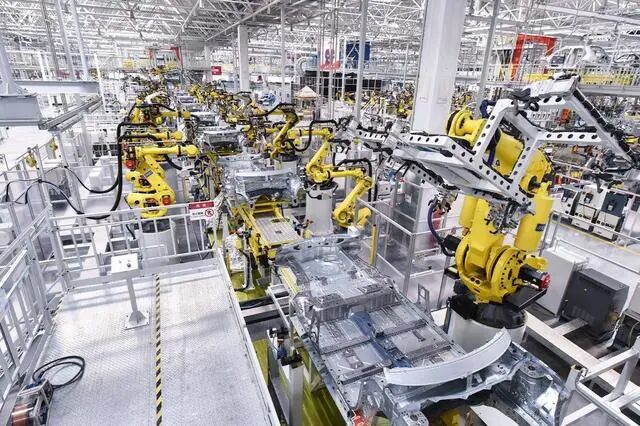
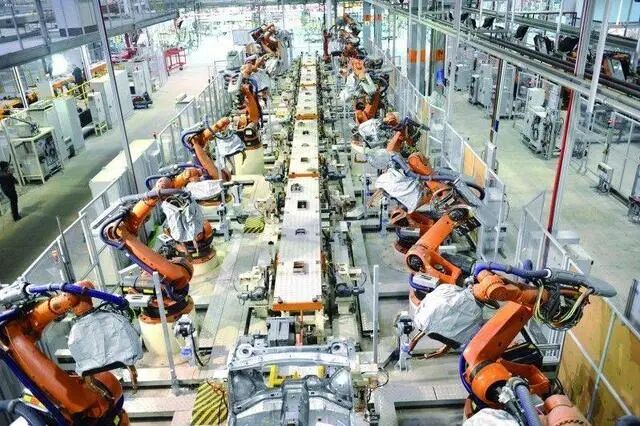
Built on the basis of digital factories, smart factories leverage Internet of Things and monitoring technologies to strengthen information management and services, enhance the controllability of production processes, cut manual intervention on production lines and realize rational scheduling. Integrating emerging technologies including intelligent equipment and intelligent systems, smart factories deliver efficient, energy-saving, eco-friendly and human-oriented production environments. Its essence is effective human-machine interaction.
III. Smart Manufacturing
Smart manufacturing systems can carry out intelligent activities during production, such as analysis, reasoning, judgment, conception and decision-making. The collaboration between humans and intelligent machines replaces the mental work of specialists. More than just artificial intelligence, smart manufacturing systems place humans at the core while enabling genuine integration between intelligent machines and human operators. Its essence is human-machine integration.
IV. Intelligent Genes
Within a smart factory, humans, machines and resources communicate and collaborate naturally just as users interact on a social network. The finished intelligent products can recognize details of their manufacturing process and intended usage, and answer questions such as "Which set of parameters was used to process me?" and "Where should I be delivered?". Meanwhile, intelligent auxiliary systems are freed from routine tasks to focus on innovation. Flexible work organization helps employees strike a better balance between work and life, and personalized demands of individual customers can be fulfilled.
Source: South China Robotics Research Institute (Toutiao Official Account)