



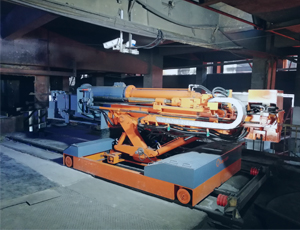





Digital Factory Construction
A digital factory refers to an innovative production organization model based on data covering the full product lifecycle. It simulates, evaluates and optimizes the entire production process within a computer virtual environment, and extends such digital management to all stages of the product lifecycle.
It is a combination of modern digital manufacturing technology and computer simulation technology with distinct characteristics. Its emergence has injected new vitality into basic manufacturing industries and mainly serves as a bridge connecting product design and product manufacturing.
1. Align with Corporate Strategic Goals
The planning of digital factory construction shall be formulated based on the enterprise’s long-term development strategy. The project plan shall support the delivery of corporate strategies and enhance the enterprise’s core competitiveness through innovative management models.
2. Integrate Theoretical Research with On-site Enterprise Practice
Study domestic and international research achievements of digital factories as well as successful application cases of overseas peer enterprises. In light of the domestic and global competition landscape of the industry, analyze the enterprise’s market position and regional characteristics, and take into account the current status of digital factory construction and available information resources, so as to develop customized, exclusive overall approaches and solutions tailored to the enterprise.
3. Attach Importance to Both Internal and External Operating Environments
Enterprises shall pursue balanced development of internal and external digital construction.
On the one hand, continuously advance internal informatization, restructure and optimize business processes, strengthen collaboration among production, supply and sales links, realize refined enterprise management, and fulfill the management requirements of pre-event forecasting, in-process control and post-event accounting.
On the other hand, integrate resources of upstream and downstream partners to build a full-process supply chain with collaborative business applications, and achieve the convergence and integration of business workflows and information systems.
4. Overall Planning with Phased Implementation
Digital factory construction covers extensive scopes and constitutes an extremely complex integrated application system. Therefore, the construction shall adhere to the 20-character guideline: "Overall Planning, Phased Implementation, Demand-driven Development, Benefit-oriented Execution, Prioritized Breakthroughs". Formulate detailed implementation roadmaps and phased targets rationally to safeguard project investment returns.
5. Adopt Internal and External Collaboration Strategies
A digital factory project is a multidisciplinary system integration program. It is necessary to leverage the talent and resource advantages from all sectors, integrate resources from professional consulting firms, research institutions, university experts, scholars and internal enterprise teams, and build a collaborative and integrated comprehensive consulting platform.
6. Maximize Protection of Existing Investments
System design shall be closely aligned with actual enterprise conditions, fully leverage existing resources including software, hardware and network infrastructure, and ensure seamless connection with the enterprise’s legacy information systems. Meanwhile, appropriately adjust and upgrade existing information systems that fail to meet the requirements of the overall master plan.
All materials and images contained in this article are sourced from the Internet. The reproduced article is solely for the purpose of communication, academic study and information sharing. The copyright of this article belongs to the original author. If any copyright infringement is involved, please contact us immediately for revision or removal via email: yunhua.wei@lapsen.com.