






Advantages of Intelligent Production for Industrial Silicon
In recent years, to fulfill the goals of carbon peaking and carbon neutrality, China’s transition to renewable energy is an irresistible trend, which has driven market expansion for silicon metal, a bulk raw material. As the most fundamental upstream feedstock of the silicon energy industrial chain, silicon metal has become a focal point of attention across the industry.
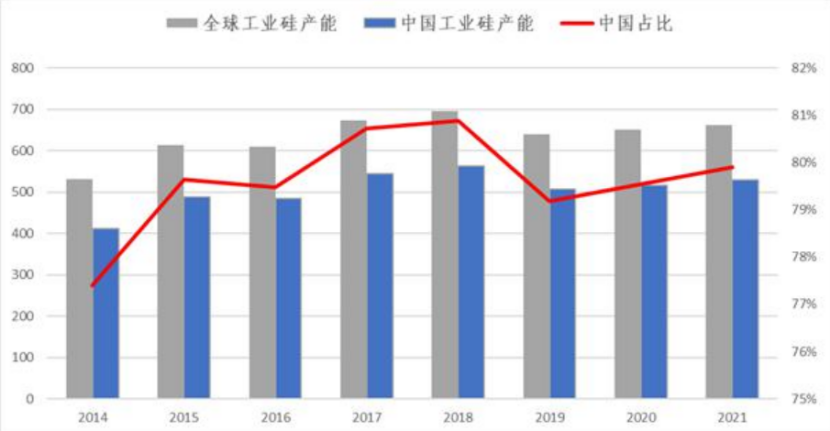
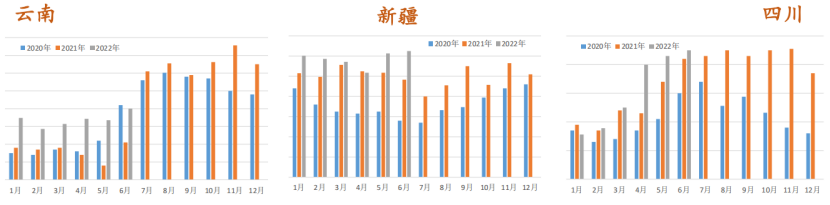
Statistics show that China’s silicon metal market size grew from RMB 15.6 billion in 2016 to RMB 20.2 billion in 2019. Forecasts indicate that the market size will reach RMB 25.3 billion in 2022. In 2021, three major producing regions – Xinjiang, Yunnan and Sichuan – accounted for 72.2% of China’s total silicon metal production capacity and 77.3% of its total output. Xinjiang alone contributed 35% of national capacity and 44.7% of national output.
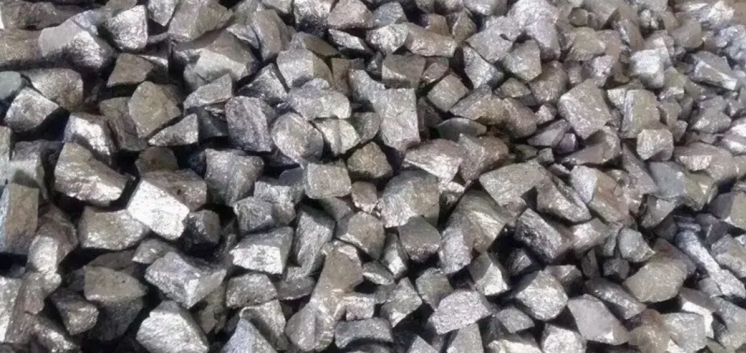
Silicon metal is smelted in electric furnaces with silica ore as raw material and carbon materials as reducing agents. Its main cost components include raw materials, auxiliary materials and electric power. Downstream products mainly consist of organosilicon, silicon-aluminum alloy, polysilicon, silicon carbide and other derivatives. Silicon metal production adopts a slag-free smelting process, so operators cannot adjust the thermal parameters of electric furnaces or product composition by modifying the physical and chemical properties of slag as practiced in slag-bearing smelting. Common reducing agents for silicon metal production include charcoal, petroleum coke, low-ash bituminous coal (ash content < 5%) and semi-coke. In electric furnaces adopting the slag-free process for silicon metal, the temperature distribution inside the furnace hearth is highly uneven, and dead charge zones tend to form in areas far from electrodes. To optimize hearth temperature distribution and expand the melting zone, many large-scale furnaces are equipped with furnace rotation mechanisms, enabling unidirectional horizontal rotation or reciprocating 120° rotation of the furnace body.
The industrial silicon industry is still dominated by outdated production modes and is currently undergoing structural optimization and upgrading. At present, tapping, rodding and plugging operations on all tapping platforms rely entirely on on-site manual work, making it impossible to guarantee personnel safety. The operating areas feature low-level safety protection and confined spaces, and any accident occurring during the tapping process will pose an immediate threat to workers’ personal safety. In addition, the overhead-mounted burners result in poor flue gas treatment at the furnace tapholes, creating an extremely harsh on-site operating environment that fails to meet environmental protection standards.
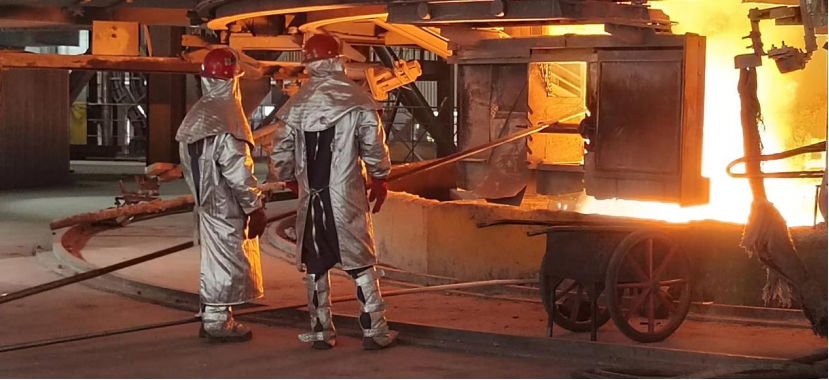
Hazards of manual operation: Manual work is prone to safety accidents including eye injuries, thermal burns, mechanical injuries, falling object strikes and electric shocks.
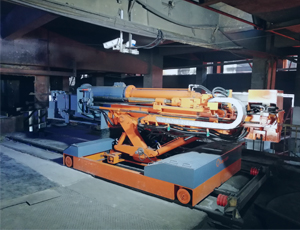
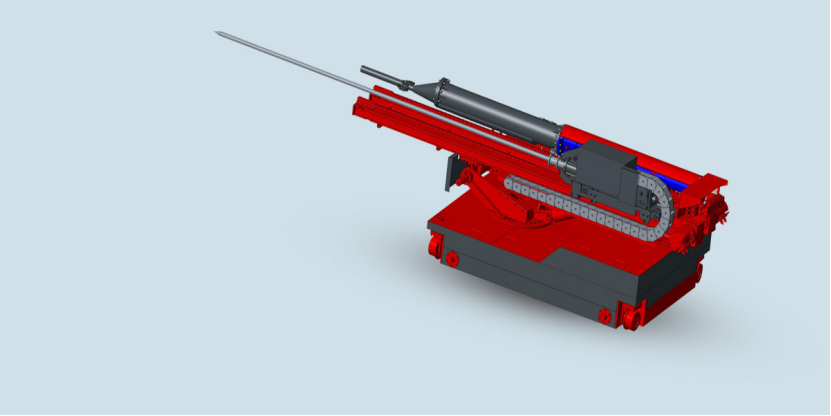
Advantages of intelligent production operation: The intelligent tapping robot for industrial silicon features high temperature resistance, splash resistance and strong impact resistance, while delivering precise, flexible and intelligent operation. The application of tapping robots effectively isolates workers from high temperature, dust and other occupational hazard factors, eliminating all safety risks associated with manual operation. It helps enterprises reduce labor costs, improve operational efficiency, cut energy consumption and boost production capacity.
In view of the characteristics of the industrial silicon industry, driven by continuous national policies and rectification measures for high-energy-consuming and high-polluting enterprises, regions including Xinjiang and Yunnan have issued relevant policies. While encouraging the development of the silicon-based material industry, these policies also impose strict requirements on enterprises’ green and high-quality development.
To respond to national environmental protection policies and support the achievement of carbon neutrality goals, the application of intelligent tapping robot systems in industrial silicon smelting enables the industry to realize intelligent high-end equipment and intelligent production systems. It facilitates industrial structural adjustment and innovation-driven development for enterprises, and ultimately builds smart factories featuring in-depth integration of informatization and industrialization.