






Lapsen Hazardous Operation Specialists: Making Ferroalloy Production Safer
Statistics indicate that scalds, puncture wounds and electrical injuries rank among the most frequent safety accidents in ferroalloy manufacturing. These incidents seriously disrupt regular production activities and inflict severe physical harm on frontline workers, bringing heavy burdens to their families, with far-reaching adverse consequences.
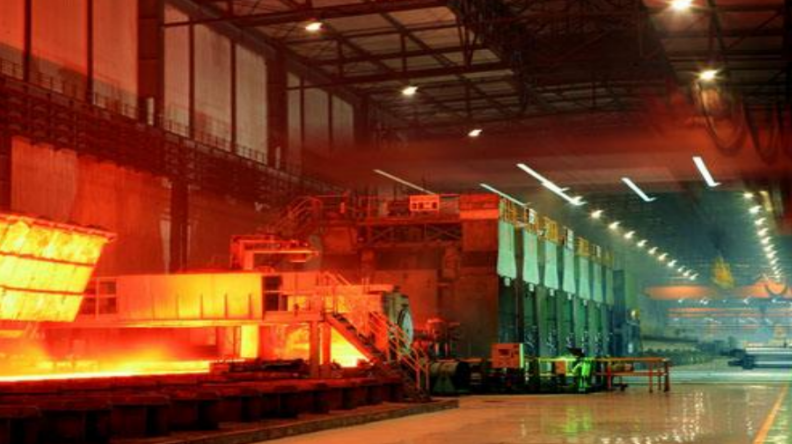
This process is widely adopted to produce ferrosilicon, calcium silicon alloy, silicon metal, silicon-aluminum alloy, high-carbon ferromanganese, silicomanganese alloy, high-carbon ferrochromium, silicon-chromium alloy and other products. Characterized by ultra-high temperature and high voltage, the electrothermal method carries prominent hazards. Strict protective measures must be implemented throughout on-site production to prevent safety accidents.
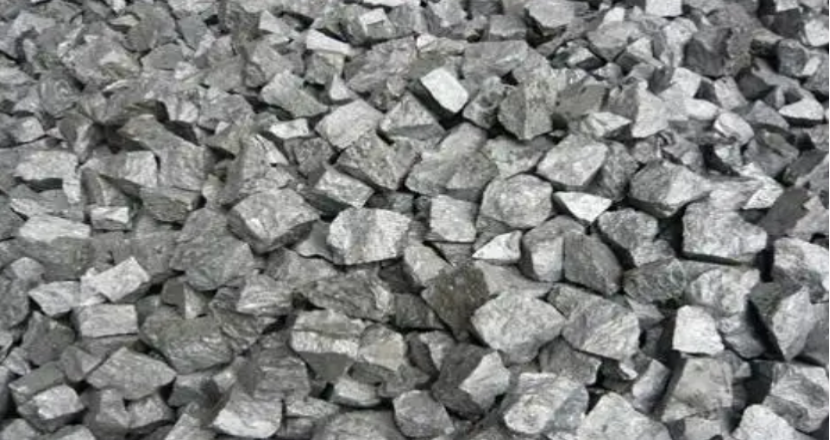
Multiple types of accidents frequently occur in ferroalloy production:
Scald injuries (resulting from furnace burden collapse and molten alloy splashing, furnace breakout caused by severe taphole erosion, ladle overturning, molten metal overflow and other incidents);
Electric shock accidents;
Mechanical failures and other potential safety hazards.
All these dangers seriously threaten the life safety of frontline workers.Limited by backward production technologies, tapping and furnace ramming processes still adopt manual or semi-automatic operation modes. In addition, the ferroalloy industry is characterized by dangerous, harsh working environments and heavy labor intensity. Therefore, it is extremely vital to reduce workers’ physical burden and safety risks.
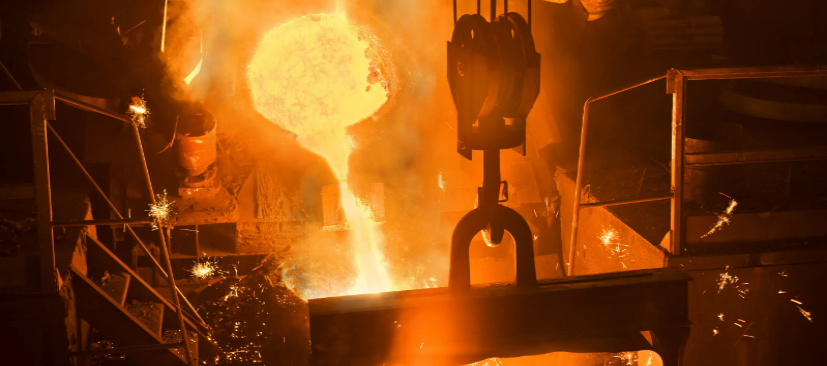
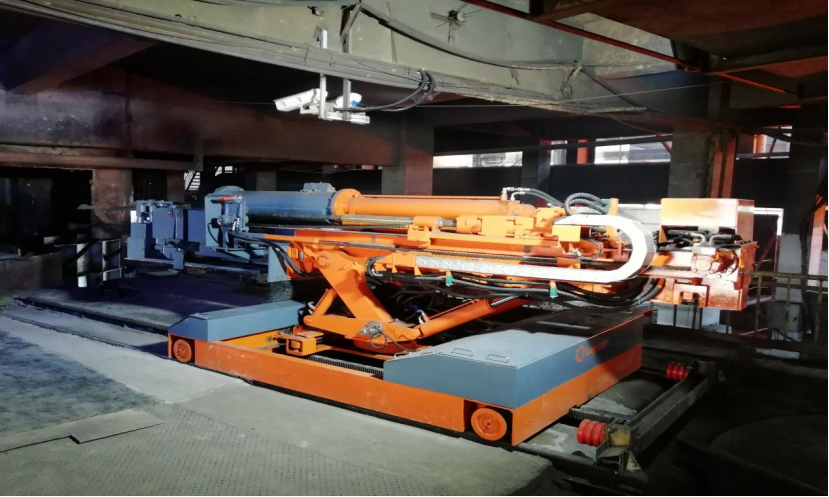
The ferroalloy tapping robot independently developed and manufactured by Lapsen features outstanding advantages such as flexible transmission, high power-to-weight ratio, high control accuracy and fast response speed, which make it widely applicable in industrial control scenarios.