







Focus on Work Safety in the Metallurgical Industry: Lapsen Hazardous-task Robots for Intelligent Labor Replacement
Focus on Work Safety in the Metallurgical Industry: Lapsen Hazardous-task Robots for Intelligent Labor Replacement
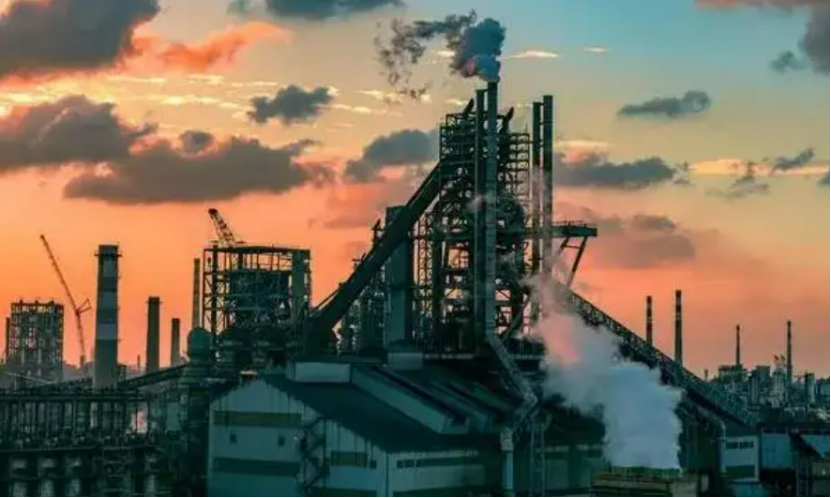
Metallurgical industry covers enterprises engaged in iron ore smelting as well as smelting and processing of various non-ferrous metals. There is a wide variety of manufacturers producing different products, resulting in complex and diversified production processes and equipment. Most smelting equipment is bulky with high product quality requirements. The production is carried out at extremely high temperatures, accompanied by heavy smoke and dust, numerous toxic and hazardous substances, harsh working conditions, prominent occupational health and safety problems, and a high incidence of casualties and occupational diseases.
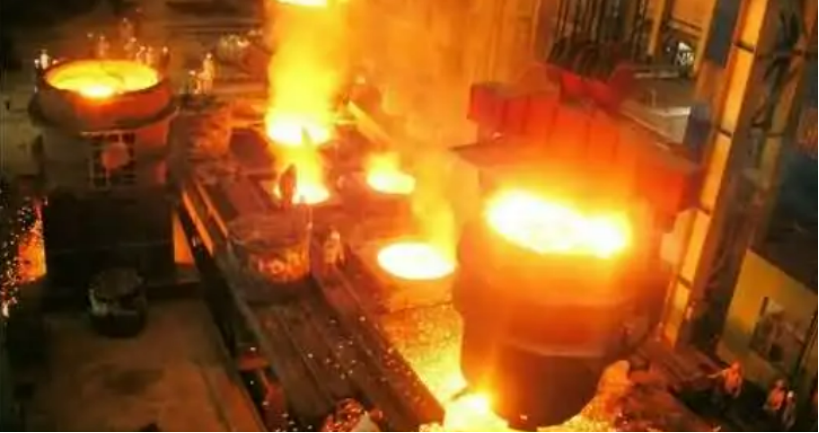
The metallurgical production process carries high thermal energy and high potential energy risks determined by metallurgical technologies, together with toxic, harmful, flammable, explosive, high-temperature and high-pressure dangers found in chemical production. In particular, metallurgical production frequently leads to severe accidents such as splashing and explosion of molten steel and molten iron, gas poisoning, combustion and explosion. In addition, the main processes and equipment of metallurgical production rely heavily on auxiliary systems. For instance, sudden power failure may solidify molten iron and steel inside furnaces (in aluminum industry, molten aluminum and electrolyte will solidify in electrolytic cells), and cause a sharp drop of pressure in gas pipe networks, which will trigger major accidents. Therefore, hazard sources in metallurgical plants are characterized by complicated risk factors, strong mutual influences, wide coverage and serious casualties.
The non-ferrous metal smelting process is characterized by complex equipment and technologies, a great variety of installations and working procedures, overlapping operations, frequent work activities and numerous risk factors.Major hazards include high temperature, noise, smoke and dust pollution, poisoning, combustion and explosion caused by toxic, harmful, flammable and explosive gases and substances, operational risks of various furnaces, high-energy and high-pressure equipment, work at height, and operations under complicated conditions.
To eliminate risk factors and ensure safe production, enterprises should strengthen safety education and professional skill training for employees in view of occupational diseases and various accident risks. Regular physical examinations shall be arranged for staff, and safe and hygienic working conditions shall be provided. Meanwhile, safety technical regulations and standards for the metallurgical industry must be strictly implemented so as to protect the personal safety and health of workers and the public.
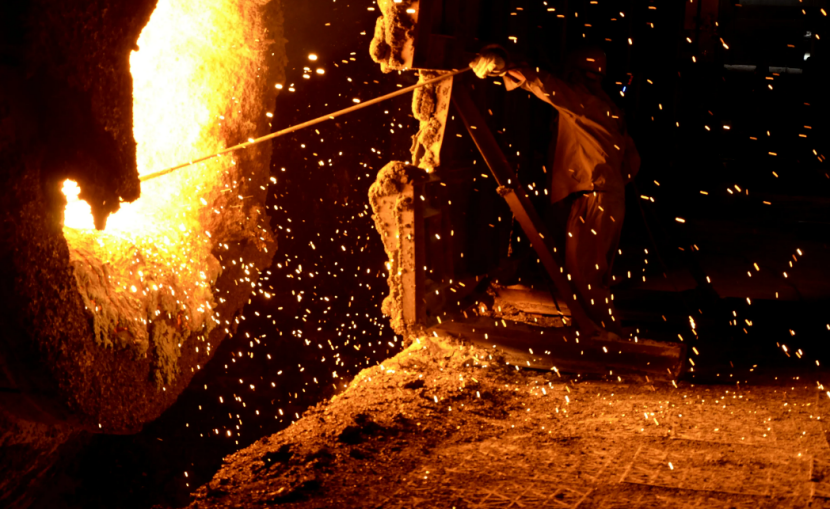
After decades of development, China’s metallurgical industry has made considerable progress, yet there remains a substantial gap compared with advanced overseas enterprises. Technological development among metallurgical enterprises is uneven, and robots are rarely deployed in this sector, so full intellectualization has not yet been achieved. Manual labor is still required for many tough positions. Workers endure high labor intensity while working in harsh, complicated and hazardous conditions.
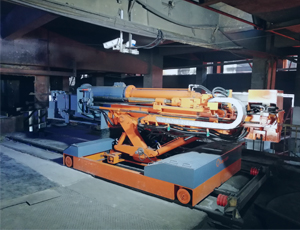
Lapsen Technology specializes in the R&D of industrial robots for heavy industries. Our products are mainly used in high-risk environments involving heavy physical labor, high altitude, high temperature, heavy dust and toxic substances across calcium carbide chemical industry, iron and steel metallurgy, ferroalloy smelting, industrial silicon smelting, chemical raw materials, building materials, alumina, PVC and other sectors.
Our self-developed hazardous-operation robots can transform the traditional manual production mode of metallurgical enterprises. They not only improve operational safety and reduce labor intensity, but also cut costs, raise output and boost economic benefits for manufacturers.
The application of hazardous-task robots in metallurgy is an inevitable step toward intelligent manufacturing in China’s industry. It will accelerate the construction of digital factories and unmanned workshops in the metallurgical sector, support the national Made in China 2025 strategy, comprehensively upgrade the quality of China’s manufacturing industry, and realize intelligent labor replacement and intelligent enterprise management.