






Build Intelligent Production Factories for Industrial Silicon and Empower Green Industrial Upgrading
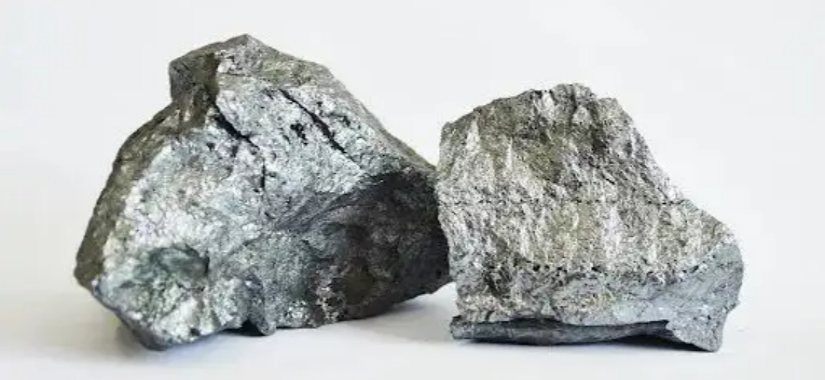
Industrial silicon, also known as metallic silicon, is smelted from silica and carbonaceous reducing agents in submerged arc furnaces. Its production process mainly includes ore dressing, material preparation and smelting.
In recent years, China has strived to achieve carbon peaking and carbon neutrality goals, making the transition to renewable energy inevitable. This has greatly expanded the market scale of industrial silicon as a bulk raw material.
Power cost accounts for the largest share of industrial silicon smelting expenses, followed by reducing agents. Together they make up 65% of total costs. Producing one ton of industrial silicon consumes approximately 3 tons of silica and 2 tons of reducing agents. With the sharp rise in electrode material prices, electrode cost has become the third major expense in industrial silicon production.
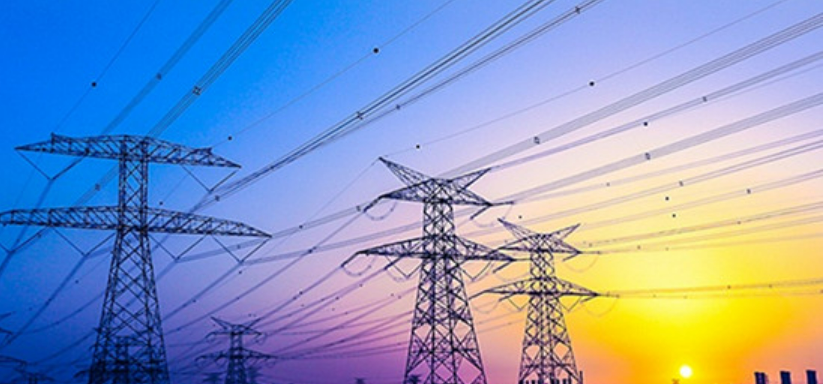
In recent years, major producing provinces have introduced regulatory policies targeting industrial silicon enterprises, mainly restricting new production capacity and phasing out low-efficiency electric furnaces. In particular, power rationing policies have been rolled out across the country. As a large power consumer, the industrial silicon industry has been severely affected.
Compared with ferrosilicon smelting, industrial silicon smelting requires higher furnace temperatures. In particular, the production of industrial silicon with a silicon content above 95% has a liquidus temperature exceeding 1410°C, and smelting must be carried out at temperatures above 1800°C with consistently high furnace cavity temperatures. Such high-temperature production conditions bring about many operational problems. The on-site working temperature is extremely high, accompanied by severe flue gas pollution. Accidents such as eye injuries, burns, mechanical harm, object strikes and electric shocks occur frequently.
Due to the high cost of fully enclosed submerged arc furnaces, most small-scale manufacturers still adopt semi-enclosed or open-type furnaces for production. As a result, industrial silicon smelting continues to face persistent problems including harsh and dangerous working environments, heavy manual labor, high work intensity, and prominent personal safety risks.
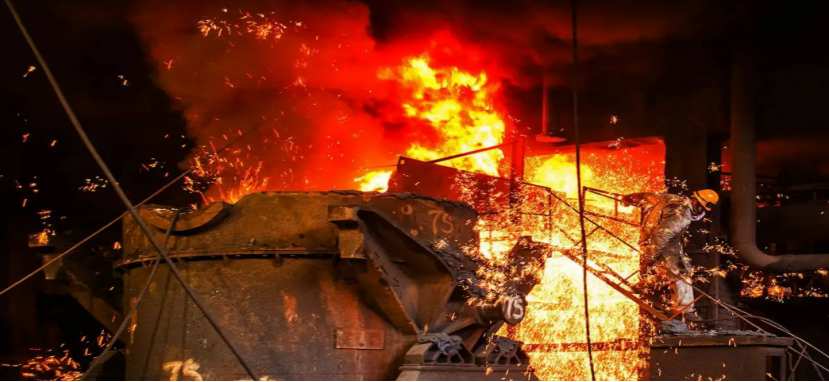
Industrial silicon producers are faced with more difficulties. The number of workers doing dangerous and heavy manual work has fallen sharply, and young people of the new generation refuse to take these jobs. Manual and semi-automatic operations including tapping and poking pose constant threats to workers' lives. Obviously, rising labor costs and recruitment difficulties have become major problems for enterprises.
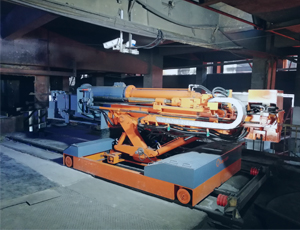
With the development of intelligent manufacturing in China's industry, the construction of digital factories and unmanned workshops is speeding up, and the use of furnace robots is an irresistible trend. Furnace operation robots can give full play to the advantages of precision, flexibility and intelligence, transforming the existing manual production mode in the industrial silicon industry. They improve operational safety, reduce labor intensity, cut manpower while raising efficiency, lower consumption and increase output. They help industrial silicon manufacturers upgrade their intelligence and achieve intrinsic safety.
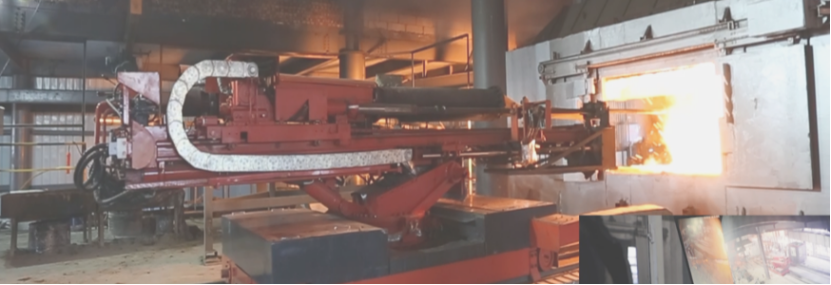
The adoption of the tapping robot system for industrial silicon can free operators from high-temperature, physically demanding and high-risk work at the furnace front. It greatly cuts labor intensity and labor costs, improves the efficiency and precision of smelting operations, keeps workers away from high temperature, dust and other occupational hazards, and reduces the risk of production abnormalities. After the automation upgrade, on-site staff can be drastically reduced, which greatly lowers the probability of personal injury accidents.
With the continuous advancement of production technology and the popularization of tapping robot systems in industrial silicon smelting, the industrial silicon industry will realize intelligent high-end equipment and intelligent production systems. It will accelerate industrial restructuring, stick to innovation-driven development, and ultimately build smart workshops with deep integration of informatization and industrialization.