








The AI Journey of Intelligent Manufacturing
The three core pillars of enterprise informatization construction are ERP, PDM and MES. ERP manages enterprise-wide resources such as personnel and equipment depreciation. PDM governs the product design process, including product drawings and manufacturing processes. MES controls the manufacturing execution process, covering production planning and on-site production operations.Starting from customers, orders and master production schedules, ERP answers the question: Why do we produce?PDM runs from product requirements to process documentation, addressing: How will we produce?MES translates schedules into actual machining work, documenting exactly: How is production carried out on the shop floor?
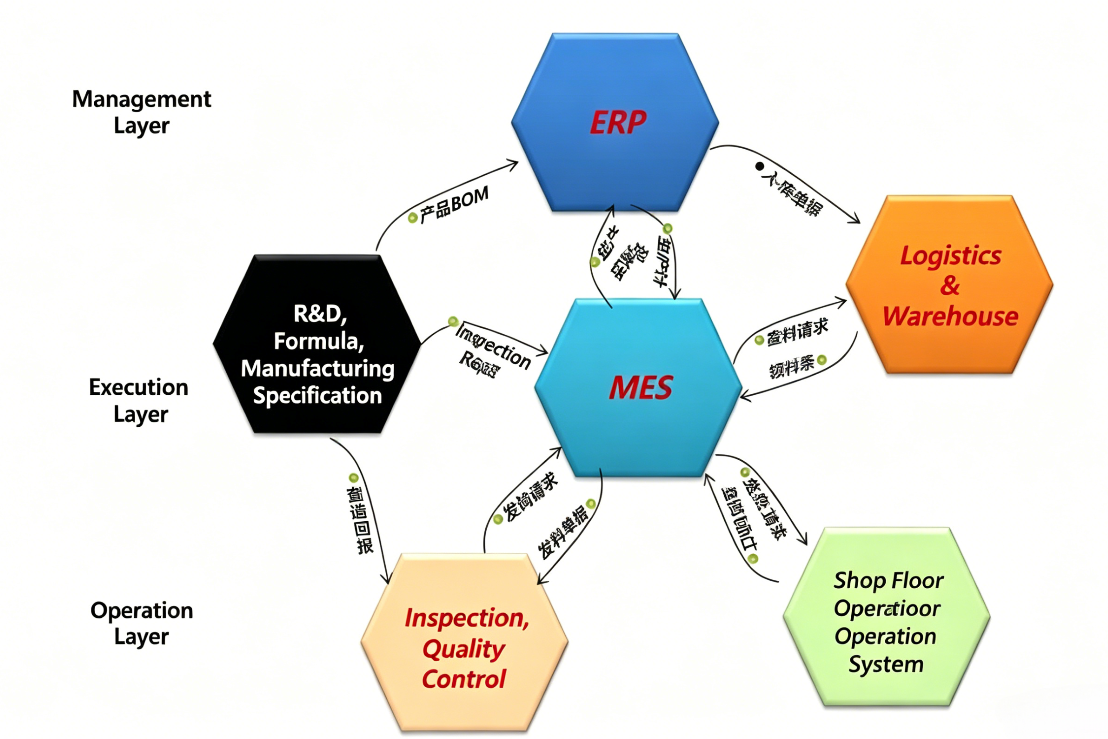
Overall, ERP, MES and PDM all fall under the category of management systems. MES, short for Manufacturing Execution System, is primarily oriented toward management personnel.
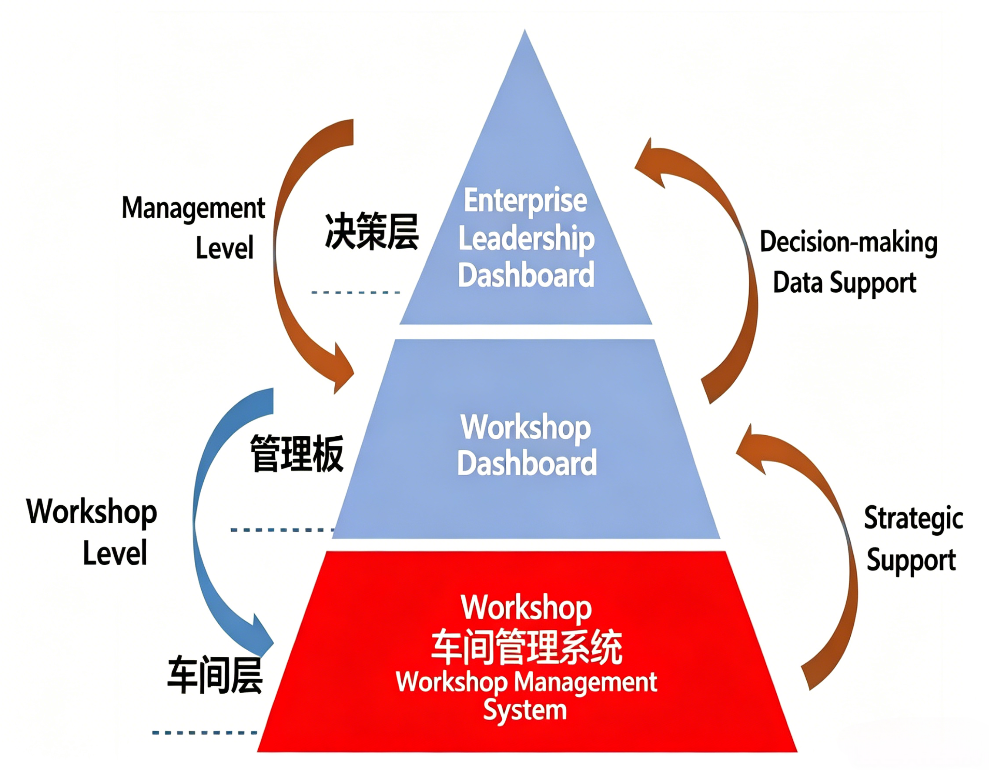
Strategic Level
Personnel at the strategic level include general managers and chief product engineers of the enterprise. They mainly access trending production data such as the incidence of production defects, task completion rate and rated working hour statistics. All these fall under analytical and statistical data, collectively referred to as high-level data.
Management Level
The management team consists of planners, production schedulers and other staff. They focus on real-time production data including production progress and on-site abnormal issues, which demand extremely high data timeliness.
For instance, management expects instant notification once an on-site problem is submitted. Therefore, a new requirement has been added to the on-site issue module of MES: after frontline workers or team leaders raise an abnormality, relevant supervisors shall be notified immediately via soft Andon (system pop-up alerts), hard Andon (physical warning lights) or SMS messages.
Execution Level
Frontline supervisors and shop-floor operators belong to the execution level. The information they need is relatively static, such as product operation manuals, machining processes and ad-hoc process notifications.
In summary, although the execution layer is the core source of all data collection, data entry and reporting bring no improvement to their core KPIs (working hours, output quantity), and may even reduce overall production yield.
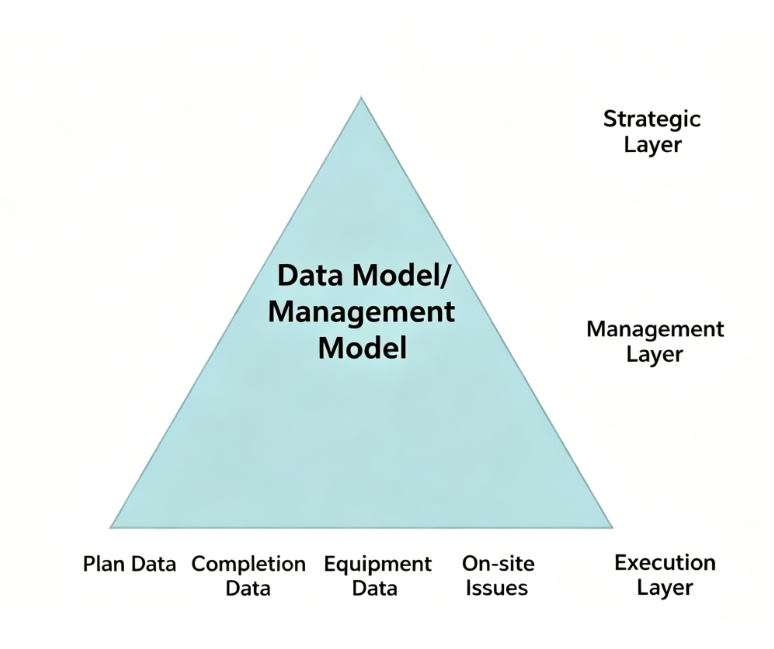
Although most functions of MES target the management layer and address core pain points of planners, schedulers and factory directors, the usability and user experience of MES ultimately hinge on feedback from the execution layer.
Management expects comprehensive, multi-dimensional data to support factory decision-making. However, all data available to management originates from the execution layer. Hence, management is eager for frontline staff to feed all factory data into the system. As illustrated in the diagram above, the system then filters out required data through data models and management models like a funnel.
The primary data sources for the execution layer include machine automatic collection, manual entry, upstream system transmission and hardware integration. Nevertheless, discrete manufacturing enterprises rely heavily on manual data entry at the execution layer. After MES deployment, frontline workers first face changes to their daily workflows and must learn to operate the new system. Worse still, heavy data reporting demands from management force workers to divert energy away from their core priority — production tasks — to input data into MES.
1.System training takes up productive time, leading to delayed completion of core production work;
2.Staff workloads are not reduced; instead, frequent manual data entry drags down overall operational efficiency.
These two factors lead to strong resistance to MES from the execution layer, undermining the system’s implementation effectiveness. This explains why MES rollout is defined as a "top-leader project". Administrative pressure is merely an implementation tactic, yet it cannot resolve fundamental conflicts.
This creates a core dilemma plaguing intelligent manufacturing: management demands richer, more comprehensive data, while frontline execution staff desire efficient, streamlined, user-friendly tools. How to capture data effortlessly, connect scattered data sources, break down information silos and realize cross-business integration has become the top priority of intelligent manufacturing today.
The Key to Resolving Intelligent Manufacturing’s Dilemma
The optimal solution is to drive MES implementation with bottom-up demands from on-site workers. However, a siloed, self-centered working culture means informatization projects require dedicated leaders who align team directions and mediate internal conflicts.
For lightweight point tools (e.g., software that automatically interprets paper records previously copied manually by workers, classified as utility tools), the execution layer can independently propose deployment. In contrast, management systems such as MES, ERP and PDM are extremely difficult to promote from the bottom up — comparable to asking farmers to cut food rations to support national defense, an unreasonable burden for frontline staff.
In most domestic factory workshops, production equipment and controllers are already interconnected. More advanced enterprises have integrated their entire plant via Manufacturing Execution System (MES), while administrative departments are fully connected through ERP.
Yet ERP and MES remain isolated from each other. After ERP issues production orders to MES, on-site deviations (equipment breakdowns, unqualified raw materials, etc.) trigger production adjustments within MES. These changes are invisible to ERP, which continues scheduling orders based on the original plan. Over time, severe discrepancies emerge between financial system records and actual factory production status.
Root Causes of Disconnected ERP & MES
First, ERP and MES are usually developed by separate vendors. Finance-focused ERP teams and production-focused MES teams lack mutual understanding of industry jargon, miscommunicate frequently, and hold dismissive attitudes toward each other’s systems. Second, production and administrative departments operate independently with separate leadership teams, each favoring their own preferred software suppliers. As a makeshift workaround, workshops regularly export MES adjustment logs and submit them to administrative teams for manual updates in ERP.
The disconnection between ERP and MES is just one example of system fragmentation across factories. Many independent siloed systems cover design, manufacturing, procurement and other links; these systems operate in isolation without visibility into cross-department progress. Teams only troubleshoot discrepancies after problems surface. This model persisted through the industrial era because product lifecycles spanned 20 to 30 years. One-to-two-year IT deployment cycles were tolerable, and manual cross-team communication resolved minor inconsistencies.
Two modern trends — overcapacity and the Internet era — have upended this old paradigm.
Global overcapacity intensifies industrial competition; the decades-long single-product mass production model is obsolete, as competitors can launch new iterations far faster. The Internet has eliminated the core industrial-era limitation of information asymmetry. Historically, manufacturers could not afford to collect personalized customer demands at scale, so they adopted standardized one-size-fits-all product lines.
For instance, shoe factories could not measure each customer’s foot dimensions individually. They aggregated mass foot measurement data to create fixed sizes (EU40, EU41, EU42, etc.), failing to accommodate narrow or wide feet. The Internet changes this dynamic: low-cost universal connectivity amplifies personalized consumer demand, driving rising preference for customized goods. Customized orders typically feature small batch sizes, forcing manufacturers to master fast, low-volume flexible production.
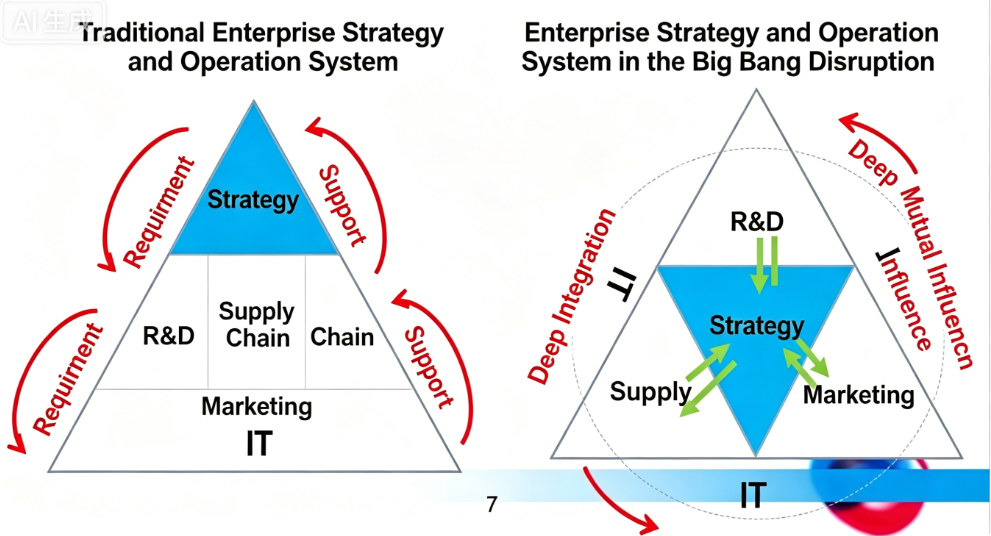
Overcapacity and internet consumer trends mandate a shift toward rapid, small-batch, customized manufacturing — a model traditional industry long resisted.
To achieve this, manufacturers must fully integrate ERP, MES and all other information systems to eliminate factory-wide information silos. This transition elevates factories from partial informatization + full automation to full informatization + full automation, the mature stage of Industry 3.0. This stage does not require perfecting single isolated functions in depth, but cross-system data fusion is mandatory. Single-point automatic data capture falls under the scope of artificial intelligence.
The AI Roadmap for Intelligent Manufacturing
Data Collection
At its core, intelligent manufacturing management systems revolve around data collection — with a critical prerequisite: capturing more data without increasing frontline labor burdens. The rise of AI delivers replicable technical references including PDF parsing, facial recognition and noise signal acquisition. AI’s greatest value to intelligent manufacturing lies in ultra-fast automatic data capture via standalone point tools that eliminate manual data entry workloads.
Therefore, industrial AI’s core objective is to capture maximum non-private data through a large suite of lightweight standalone tools, enabling workers to focus solely on core production tasks without unnecessary administrative data entry.
AI enables a full spectrum of specialized point tools to streamline data collection.
Data Processing
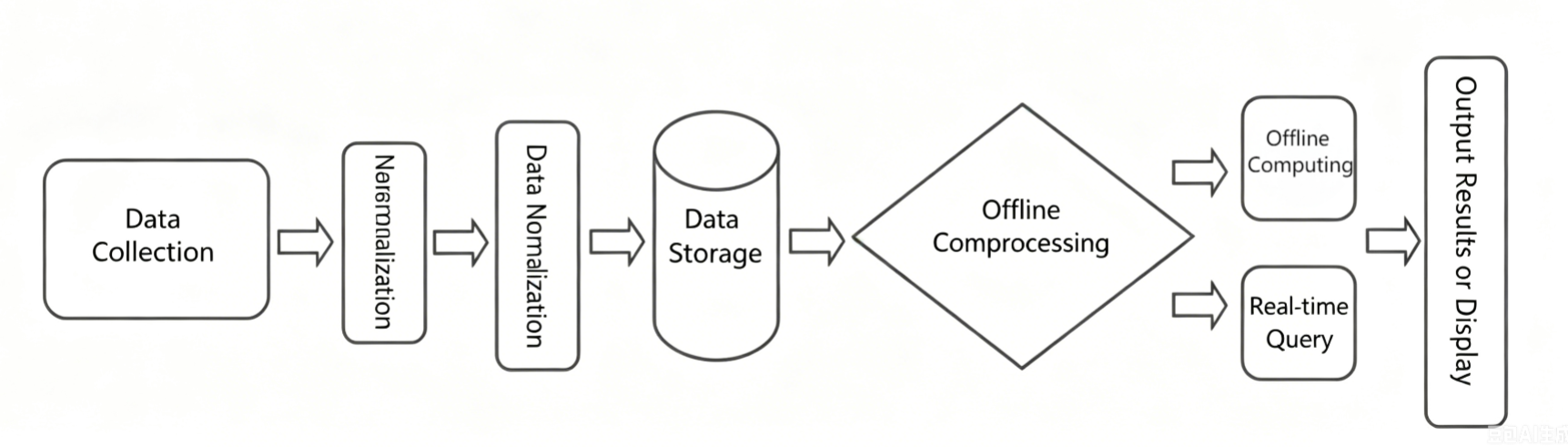
Mass data generated by AI demands powerful data conversion and storage, driving the emergence of big data processing. The figure below illustrates its workflow.
Data Application:
Data Analysis:
Traditional reports visualize limited 2D or 3D data (e.g. time vs. frequency of workshop faults). AI generates massive multi-dimensional datasets that require advanced algorithms to dig deep correlations. For instance, seemingly irrelevant weather conditions may reveal surprising links to workshop malfunctions after data analysis.